


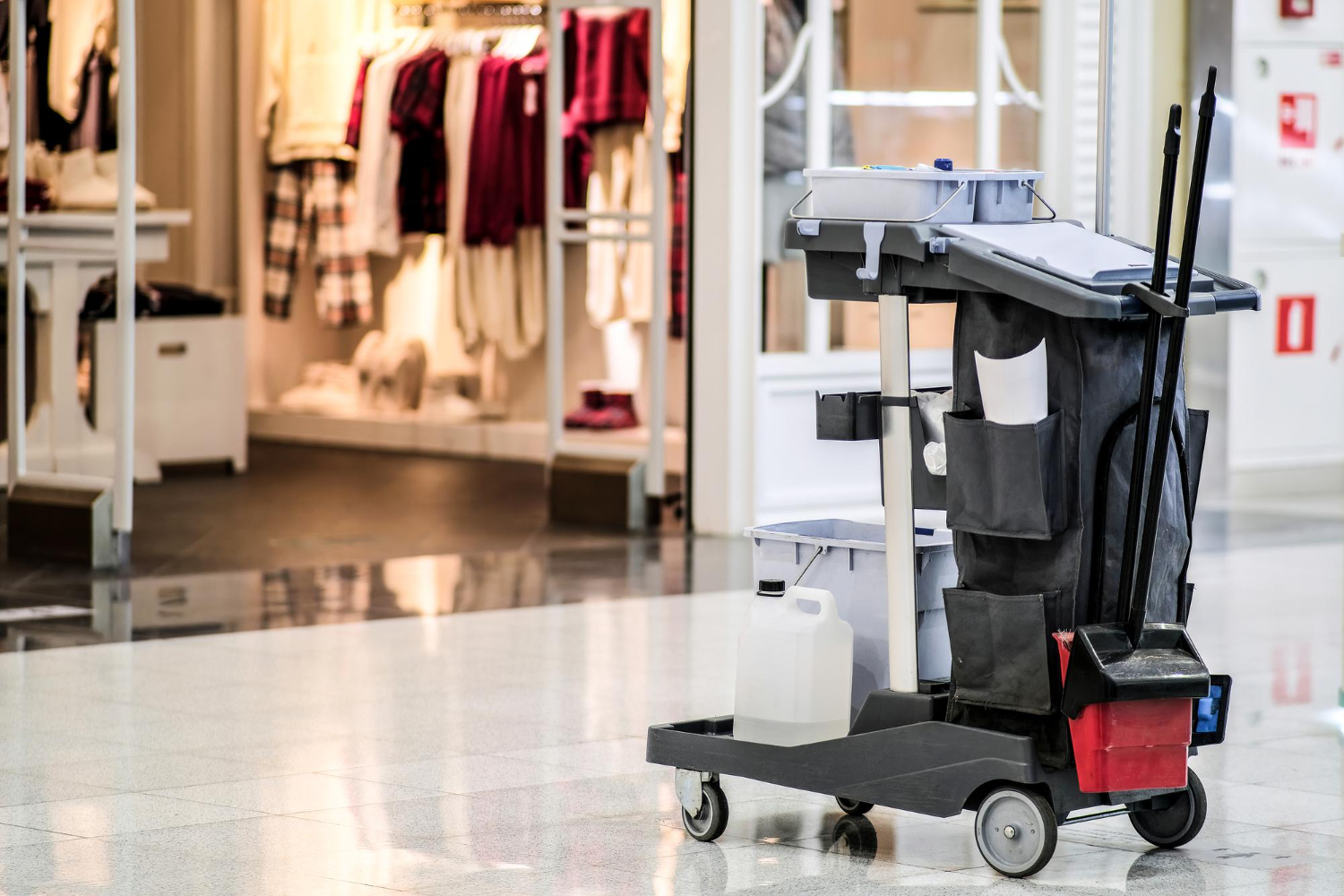

Missed Opportunities in Retail Cleaning Services Planning
Turnover, Traffic, and the Hidden Cost of Dusty Aisles Clean stores sell more. When a customer walks past sticky endcaps, dusty shelves, or streaky...

Black Friday recovery sets the tone for every shopping day that follows. After a heavy sales event, Utah stores can be left with tracked-in moisture, crowded fitting rooms, full waste areas, scuffed entrances, and high-touch surfaces that need prompt attention. We help retail leaders treat cleanup as an operating priority, not an afterthought.
A clear recovery plan helps your store reopen looking orderly, gives associates fewer distractions to manage, and supports a consistent experience across multiple locations. With the right priorities in place, retail cleaning teams can focus their time where it matters most.
The first hours after Black Friday can feel like a reset button for the entire store. Customers may have moved displays, left hangers in fitting rooms, tracked in slush, or filled checkout areas with packaging and discarded items. Our goal is to help you restore customer-facing spaces before the next wave of weekend traffic arrives.
A clean, organized store can also make it easier for your associates to focus on shoppers, inventory, pickup orders, and replenishment. When floors are clear, waste is managed, and entrances are presentable, teams spend less time reacting to preventable cleanup issues.
Recovery works best when cleaning tasks are planned around your actual store schedule. Late closings, early openings, deliveries, and changing traffic patterns all affect when work can be completed without disrupting customers or staff.
Start with the spaces customers see first. Entryways, storefront glass, cart areas, checkout lanes, fitting rooms, and promotional displays often take the biggest hit during a major sale. Before the next shift begins, our retail cleaning teams recommend inspecting these areas for debris, smudges, streaks, wet-floor concerns, and misplaced merchandise.
A quick review of visible conditions can help store leaders decide what needs immediate attention. Common priorities include:
Behind-the-scenes areas deserve attention, too. Restrooms, break rooms, stockrooms, receiving zones, and waste collection points can become cluttered while associates focus on customers. Rather than relying on a normal cleaning routine, we recommend assigning work based on traffic, current conditions, and operating hours.
A simple post-event inspection checklist keeps everyone aligned. Your managers can note urgent needs, recurring concerns, completed work, and next-day priorities in one consistent format. That gives us and your store teams a shared view of what needs to happen next.
Holiday hours do not always follow a predictable pattern, and neither does customer traffic. Retail cleaning teams need clear direction on which tasks require immediate action, such as a spill near the entrance, and which work can wait for a quieter period.
Communication between store management and cleaning staff makes a major difference. Managers can report busy areas, damaged displays, heavy waste buildup, or changing traffic patterns as they happen. In return, our teams can flag when an area needs temporary access restrictions or when a condition may affect safe movement through the store.
Consistency matters when shifts change or extra seasonal staff join the schedule. A documented task list helps everyone understand store-specific expectations for floors, high-touch areas, customer spaces, employee rooms, and waste handling. Clear expectations make it easier to maintain the same standard from one shift to the next.
No two stores recover from Black Friday in exactly the same way. A high-volume grocery location may need more frequent entrance and restroom service, while a warehouse retail space may have heavier debris near receiving areas. Fitness facilities, specialty shops, and other retail settings can have their own floor conditions and traffic concerns.
For multi-site operations, we recommend starting with store-level assessments instead of using one blanket plan. Each location can report what happened during the event, where congestion developed, and what areas needed repeat cleaning. That information helps you place resources where they are most needed.
A shared reporting process also gives regional leaders a clearer view across the portfolio. Useful items to track include:
Late-November weather adds another layer for Utah retailers. Rain, snow, slush, and road debris can quickly affect entryways and customer walkways. Reviewing mat placement, entrance cleaning frequency, and wet-floor response procedures before the busiest days can help stores stay cleaner and more prepared.
Floor safety should remain a steady focus throughout recovery. Busy sale periods can leave spilled drinks, packaging scraps, loose merchandise, and wet spots in customer paths. Your store should have a clear process for reporting hazards, placing appropriate signage, and addressing issues promptly.
Before opening the next day, a final walkthrough can catch concerns that are easy to miss during a crowded shift. We suggest reviewing fitting rooms, restrooms, checkout lanes, waiting areas, and promotional displays for visible dirt, clutter, or damaged materials. These areas shape how ready the store feels to arriving shoppers.
Employee spaces should not be left behind. Clean break rooms, organized stockrooms, and accessible receiving areas can help associates move through demanding holiday shifts with fewer interruptions. When support spaces are maintained, your team can keep its attention on customers and daily operations.
Black Friday recovery can show you where your cleaning plan worked well and where it needs adjustment for the rest of the holiday season. Review which locations needed added attention, which tasks kept coming back, and whether cleaning schedules matched the traffic you actually saw. Those lessons can guide planning for weekend promotions, seasonal peaks, and year-end events.
The best recovery plans stay flexible while keeping expectations clear. When each store records its needs, communicates changes quickly, and follows the same core cleaning priorities, your locations can remain orderly, safer for foot traffic, and ready for the next busy day.
Cleaning Services Group, Inc. helps Utah retailers maintain consistent standards across every location. Our retail cleaning teams can support post-event cleanup, routine janitorial needs, and facility-ready conditions. Let us help your stores stay prepared for the demands of the season.
Turnover, Traffic, and the Hidden Cost of Dusty Aisles Clean stores sell more. When a customer walks past sticky endcaps, dusty shelves, or streaky...
Turning Retail Resets Into Sales-Ready Store Launches Retail resets move a store from “old” to “ready to shop.” They include planogram changes,...
How Quiet Retail Cleaning Teams Protect Your Bottom Line Retail runs on details. Shoppers see bright lights, full shelves, and friendly staff. What...