



Spring Cleaning Tips for Commercial Spaces: Refresh and Revitalize Your Workspace
As the seasons change and we move into the bright and breezy days of spring, it’s the perfect time to give your commercial space a deep clean. Spring...

When production slows down, most teams look at staffing, training, or equipment first. Cleaning is usually an afterthought, even though many slowdowns start with small janitorial gaps that no one sees until a line goes down. Dust, debris, spills, and residue might look minor, but in an industrial space they can quietly build into real problems.
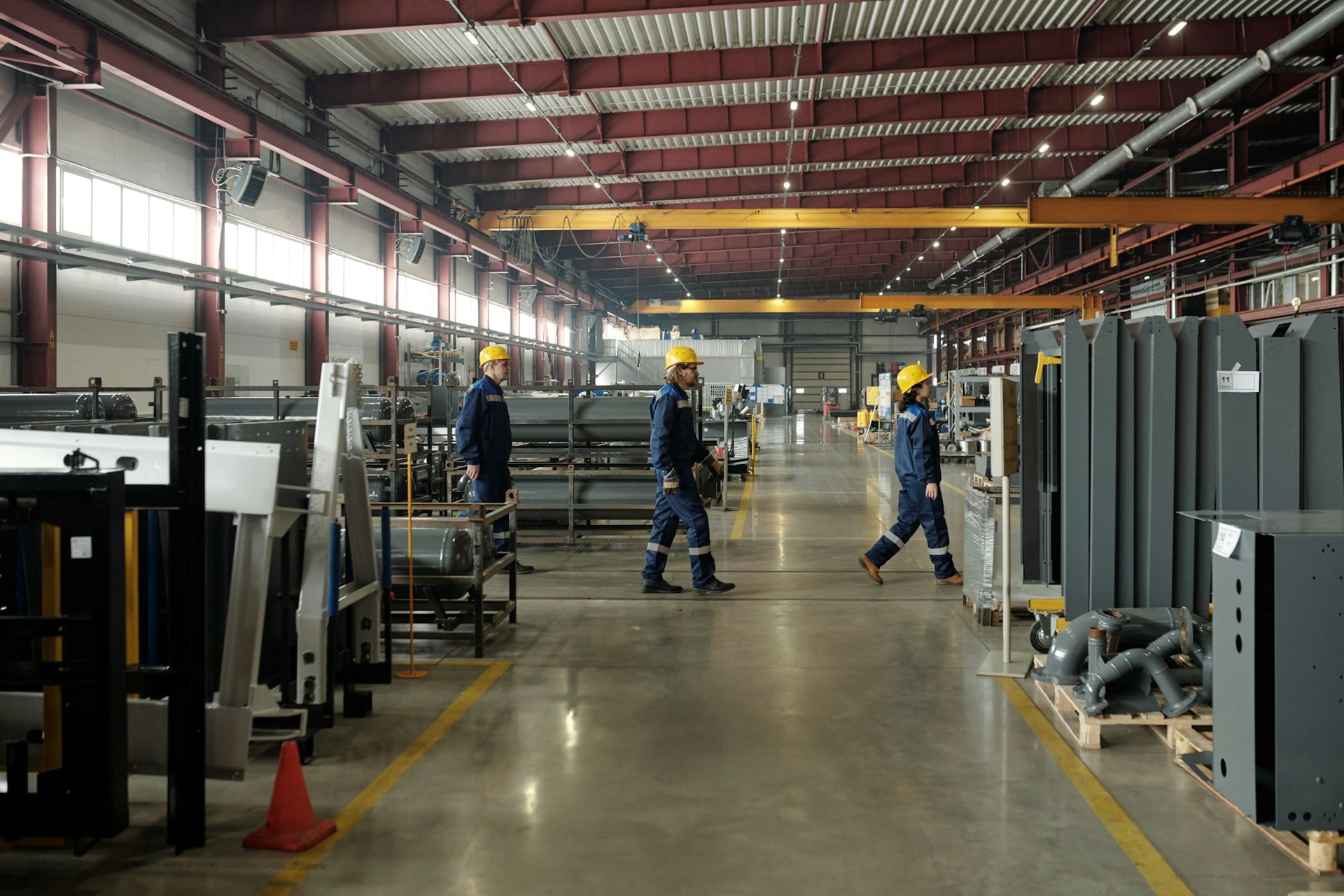
Industrial environments have very different cleaning needs than an office or a small shop. Heavy dust, grease, vibration, high heat, constant traffic, and long shifts create conditions that standard janitorial routines do not always cover. A plan that works fine for a lobby or a break room often misses the zones that protect uptime.
In this article, we will walk through the most common industrial janitorial services gaps that drag on throughput, from hidden equipment zones to misaligned schedules and inconsistent standards across sites. We will also share how a more strategic, multi-site cleaning program can close those gaps so cleaning supports production instead of slowing it down.
Production teams focus on equipment performance, and cleaning teams often focus on what they can easily see. The trouble is, many of the highest-risk areas are out of sight and out of mind.
Common blind spots around equipment include:
When these areas are not cleaned on a planned schedule, you can see problems like:
These issues rarely start as a major incident. They begin as a light coating of dust that no one notices, or scraps stuck behind a guard that no one has time to pull. Over time, they add friction to the process, increase small stops, and lead to unplanned downtime.
When industrial janitorial services are aligned with maintenance and operations, the cleaning scope is built around equipment, not just square footage. Cleaning tasks can be planned using:
This keeps cleaning from interrupting lines, while also cutting the tiny issues that turn into big stoppages.
A production floor can look clean and still be unsafe or inefficient. A shiny surface is not always a safe surface. The floor might be free of trash but still hold residue that affects traction, hygiene, and product quality.
We see this gap most often around:
Heat and humidity in the middle of the year can make this worse. Moisture mixed with dust, tire marks, and residue can create slick spots that slow traffic and increase near-misses. Longer or added shifts increase traffic, which means faster buildup of pallet fragments, shrink wrap, and fine dust in your main paths.
A floor care program that supports production, not just appearance, should include:
Industrial janitorial services teams who understand OSHA requirements, food safety rules when needed, and audit expectations can help set standards that keep aisles moving and operators confident on their feet.
High-dust zones are easy to forget because they are above our normal line of sight. Over time, they can cause both safety and quality issues.
Typical high-dust areas that often get skipped include:
Dust left in these areas can add to fire load, drop onto product or packaging, and affect air quality around operators and equipment. It also tends to spread fast in spaces with fans, doors that stay open, or frequent vehicle traffic.
High-touch spaces create a different problem. These are areas where people, not machines, drive the risk:
If these areas are not cleaned and disinfected with consistent standards, small issues like more frequent sickness can grow into staffing gaps, overtime pressure, and slower lines.
A strong facility support program does not treat these zones as “once a year” work. Instead, it builds in:
This approach lets you keep both the equipment environment and the workforce environment stable and ready.
Even with the right tasks defined, poor timing can turn cleaning into a barrier. We often see the same scheduling gaps repeat across plants and distribution centers:
When cleaning happens at the wrong time, it can block dock doors, slow pick lines, or create two-way traffic problems at packing and sortation. Production staff then start working around janitorial teams, which is not safe or efficient for anyone.
A better approach is to design cleaning schedules around:
The other big drag on performance appears when you look across multiple locations. Many companies use different vendors, scopes, and standards at each site. Even when the processes and equipment are the same, this creates:
Working with a national industrial janitorial services provider allows operators to standardize things like SOPs, training content, inspection methods, and reporting. That is especially helpful for organizations in retail, grocery, distribution, fitness, and healthcare that need reliable performance across a broad portfolio.
Janitorial work in an industrial space should not be treated as a simple overhead line. When it is aligned with safety, maintenance, and operations, it becomes an operational tool that supports uptime, quality, and labor efficiency.
A helpful way to start is with a simple checklist:
At Cleaning Services Group, Inc., we focus on comprehensive commercial janitorial, facility support, and specialty cleaning for multi-site operations. By treating cleaning as part of the production system, not a side task, we help teams uncover and close the hidden gaps that slow lines, strain people, and quietly cut throughput.
If you are ready to improve cleanliness, safety, and compliance across your facility, we are here to help you plan the right solution. At Cleaning Services Group, Inc., our team tailors industrial janitorial services to your specific operational needs, production schedules, and regulatory requirements. Reach out today so we can review your facility, identify risk areas, and build a customized cleaning program that supports your productivity and long-term asset protection.
As the seasons change and we move into the bright and breezy days of spring, it’s the perfect time to give your commercial space a deep clean. Spring...

In today's dynamic business landscape, maintaining impeccable hygiene and safety standards is more than a necessity—it's a commitment to excellence....
In today's fast-paced world, first impressions are everything. Did you know that for a whopping 92% of consumers, their decision to return depends...