

4 min read

Evaluating Healthcare Facility Crews During Shift Changes

Evaluating Healthcare Facility Crews During Shift Changes

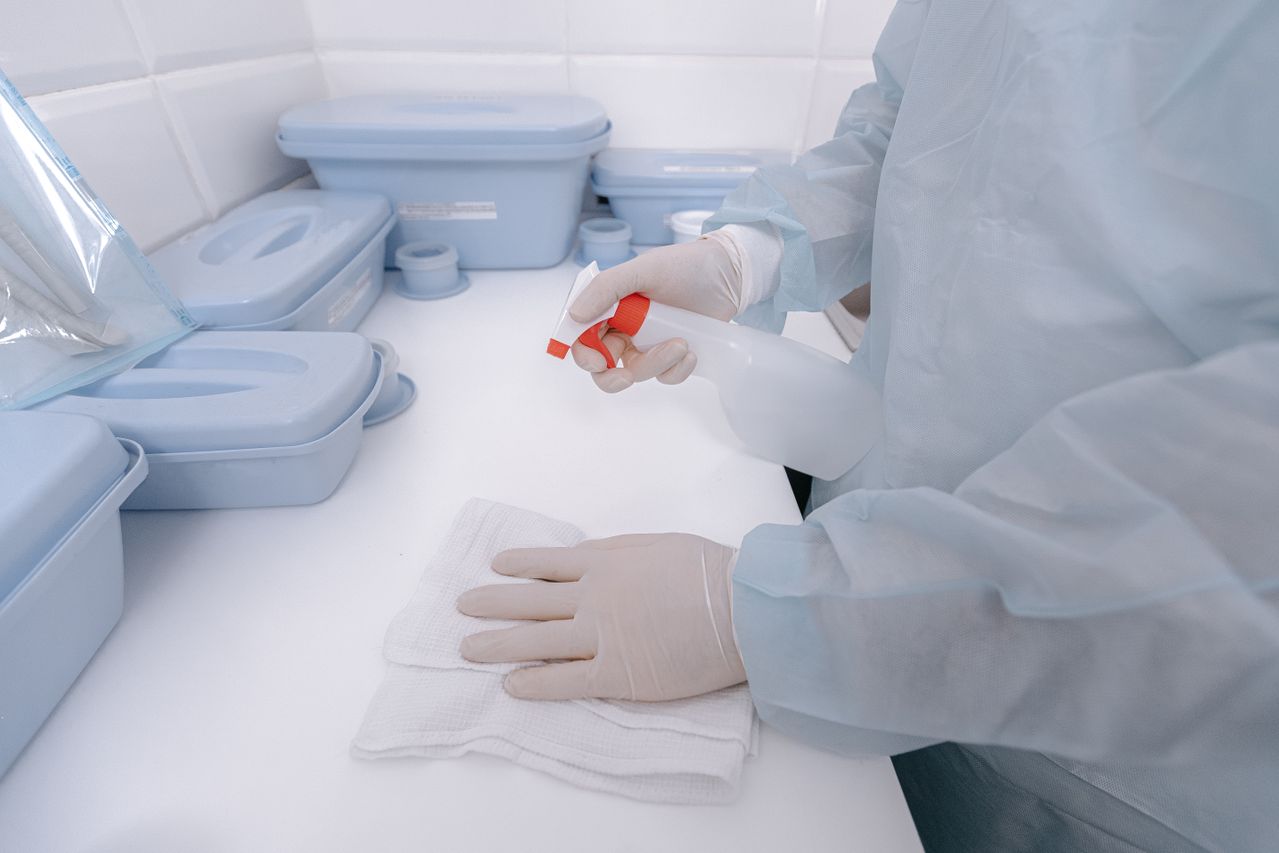
Keeping a healthcare facility clean during shift changes is one of the hardest parts of daily operations. Staff are moving, patients are arriving and leaving, and family members are coming and going. In all that motion, cleanliness and infection control can slip if they are not planned and checked on purpose. That is exactly where healthcare facility crews play a huge role.

In this article, we will walk through how to look at cleaning performance right at those busy handoff times. We will talk about why shift change is such a stress test, what to look for in the environment, how to judge crew coverage and training, and how strong partnerships turn shift change checks into steady, everyday excellence.

Smoother Shift Changes, Safer Patient Care

Shift change is a high-risk moment for both cleanliness and patient comfort. There is more traffic in hallways, more activity in rooms, and more use of restrooms and waiting areas. In summer and other peak census periods, this can grow even more intense, with full units and tighter room turnover.

When healthcare facility crews are well coordinated with clinical teams, patient areas stay clean and safe even in the middle of all that movement. This lets nurses and clinicians keep their attention on assessments, medication passes, and family questions, instead of hunting for wipes or cleaning up spills themselves.

A few reasons to focus on shift changes for evaluation:

  • You see the facility at its busiest, not just during quiet hours
  • Hidden gaps in cleaning schedules show up clearly
  • Patient comfort issues, like odors or clutter, are easier to spot

If you only review cleaning during slower parts of the day, you miss how the facility really functions when pressure is on.

Why Shift Change Is the Ultimate Stress Test

Shift changes pile different kinds of activity into the same short window. During a typical handoff, you may see:

  • Staff overlap in halls and nurses’ stations
  • An increase in visitors and family updates
  • Discharges and admissions close together
  • Higher use of elevators, lobbies, and restrooms

All of this can strain your current cleaning plan. If staffing levels or task timing are not tuned to this surge, you may see overflowing trash, dirty floors, or crowded supply areas right when new staff are trying to get oriented.

Seasonal factors can add even more pressure. For example, during summer:

  • More people come and go from outpatient clinics
  • Construction or upgrade projects can add dust and debris
  • Heat and humidity can raise odor concerns in busy units

When shift change collides with these added stressors, any weak point in cleaning coverage, supply stocking, or task order will stand out.

Key Cleanliness Benchmarks to Assess at Handoff

To get a true sense of performance, it helps to look at specific zones and details during regular change-of-shift windows, such as 6:45 to 7:15 a.m. and p.m. Focus on both what you can see and what supports infection control behind the scenes.

Visible environment checks might include:

  • Patient rooms: floors, sinks, trash, linens, and overall clutter
  • Nurses stations: clear counters, wiped surfaces, no overflowing bins
  • Corridors and elevators: clean floors, no spills or tracked debris
  • Waiting areas: tidy seating, no food waste, fresh air, and odor control

Infection prevention checkpoints should zero in on high-touch and high-risk areas:

  • Bed rails, call buttons, door handles, phones, and keyboards
  • Public and staff restrooms, including fixtures and touchpoints
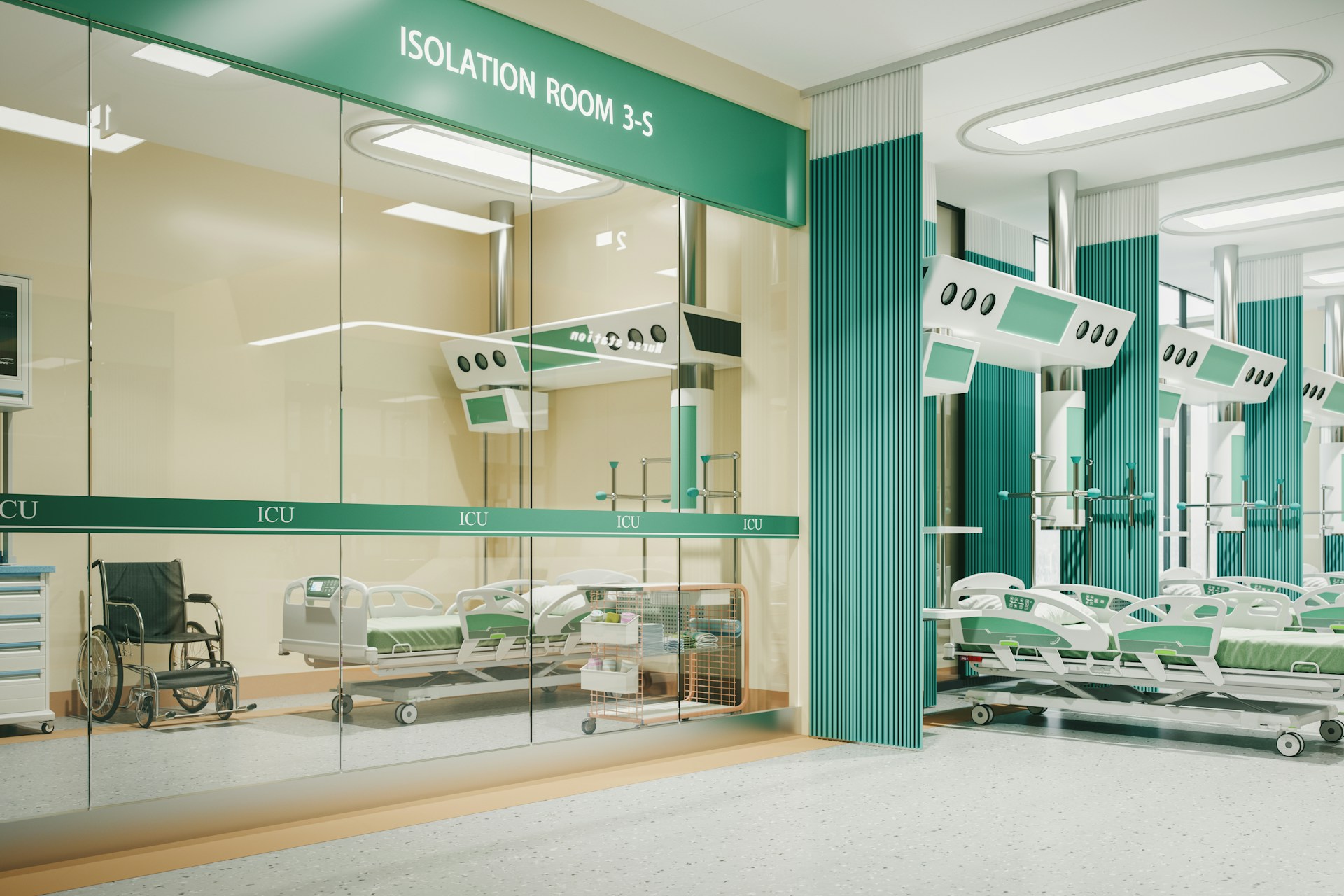
  • Isolation rooms, making sure proper protocols are followed
  • Waste collection areas and handling of bags and sharps containers

Standardized scorecards or quick audit forms help keep this consistent. When every unit gets the same 10 to 15 quick checks at the same times every day, patterns start to appear. You can see which units hold up under pressure and which need better support.

Evaluating Crew Performance, Coverage, and Training

Once you have a clear picture of the environment, the next step is to look at how healthcare facility crews are set up to support it. Coverage needs to match real demand, not just a standard template on paper.

Key questions to ask:

  • Are enough crew members scheduled around each main shift change on high-volume units?
  • Do higher acuity areas, like ER or ICU, get added support during peak handoff times?
  • Is there clear handoff within the cleaning team so nothing is left half done?

Performance indicators help turn this into more than just a feeling. For example:

  • How quickly do crews respond to spills or biohazard events during change of shift?
  • How long do discharge cleans take, and are rooms ready when admitting needs them?
  • Are documented cleaning protocols followed, even when the unit is very busy?
  • Do crew leads check in with nursing leaders during and after shift changes?

Training is just as important as staffing numbers. Ongoing competency checks should cover infection control basics, plus any specialty areas in your facility such as ORs, imaging rooms, or isolation zones. Crews should also be drilled on emergency response during busy windows, so an urgent cleanup does not shut down shift change workflows.

Partnering with Professional Teams for Consistent Results

For many healthcare leaders, the biggest challenge is not knowing where to start or how to keep improvements going. This is where working with a specialized provider makes a real difference.

At Cleaning Services Group, Inc., we support multi-site healthcare environments that must keep the same high standard in hospitals, clinics, and off-site facilities. Our teams are used to working around complex shift schedules and changing census patterns.

A professional partner can help you:

  • Redesign cleaning schedules to match real shift change demand
  • Set up data-driven inspections and scorecards by unit and time of day
  • Add specialty services when risk is higher, such as summer peaks or flu seasons
  • Standardize cleaning steps and checklists across multiple locations

When every facility and every shift follows the same clear playbook, shift changes feel less chaotic and more controlled, even when the building is full.

Turning Shift Change Evaluations Into Everyday Excellence

The most effective programs often start small. Many facilities find it helpful to pilot shift change audits on one or two units first, such as a busy medical floor and a key outpatient area. Once the checklist feels right, it can be rolled out across the campus or the full system.

From there, regular review is where the real payoff shows up. Set up short, recurring meetings that include environmental services leaders, nursing, and operations. Use actual scores and comments from shift change audits to:

  • Spot recurring trouble areas
  • Adjust staffing or task timing
  • Update training and refreshers
  • Celebrate units that show strong improvement

Over time, these shift change evaluations become part of normal operations instead of a special project. Healthcare facility crews know what is expected, clinical teams trust the support they receive, and patients and visitors experience a clean, calm space at any hour. When cleanliness holds steady through the busiest moments of the day, it supports safety, comfort, and confidence across the entire facility.

Get Started With Your Project Today

Partner with Cleaning Services Group, Inc. to build a cleaning program that keeps your patients, staff, and visitors safer every day. Our specialized healthcare facility crews are trained to meet strict regulatory standards while fitting seamlessly into your daily operations. Reach out to our team so we can assess your facility’s needs and outline a clear, practical plan. Together, we will help you maintain a consistently clean, compliant, and trusted environment.

Red Flags in Healthcare Facility Cleaning Contracts

Red Flags in Healthcare Facility Cleaning Contracts

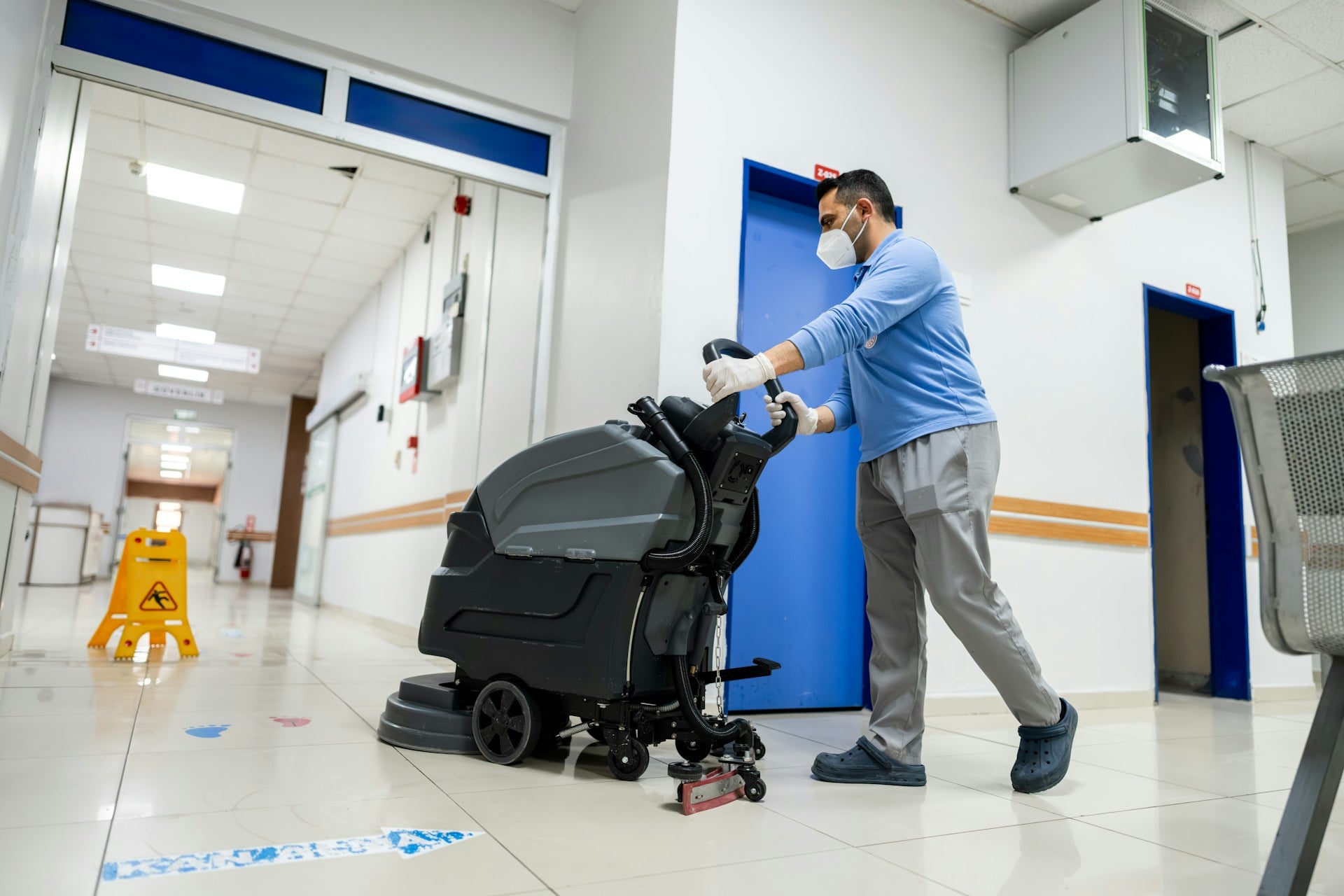
Hidden Risks Lurking in Your Cleaning Contract Healthcare facility cleaning is not just about how spaces look. It is directly tied to infection...
Read More
Signs Your Healthcare Facility Cleaning Is Straining Clinical Staff

Signs Your Healthcare Facility Cleaning Is Straining Clinical Staff

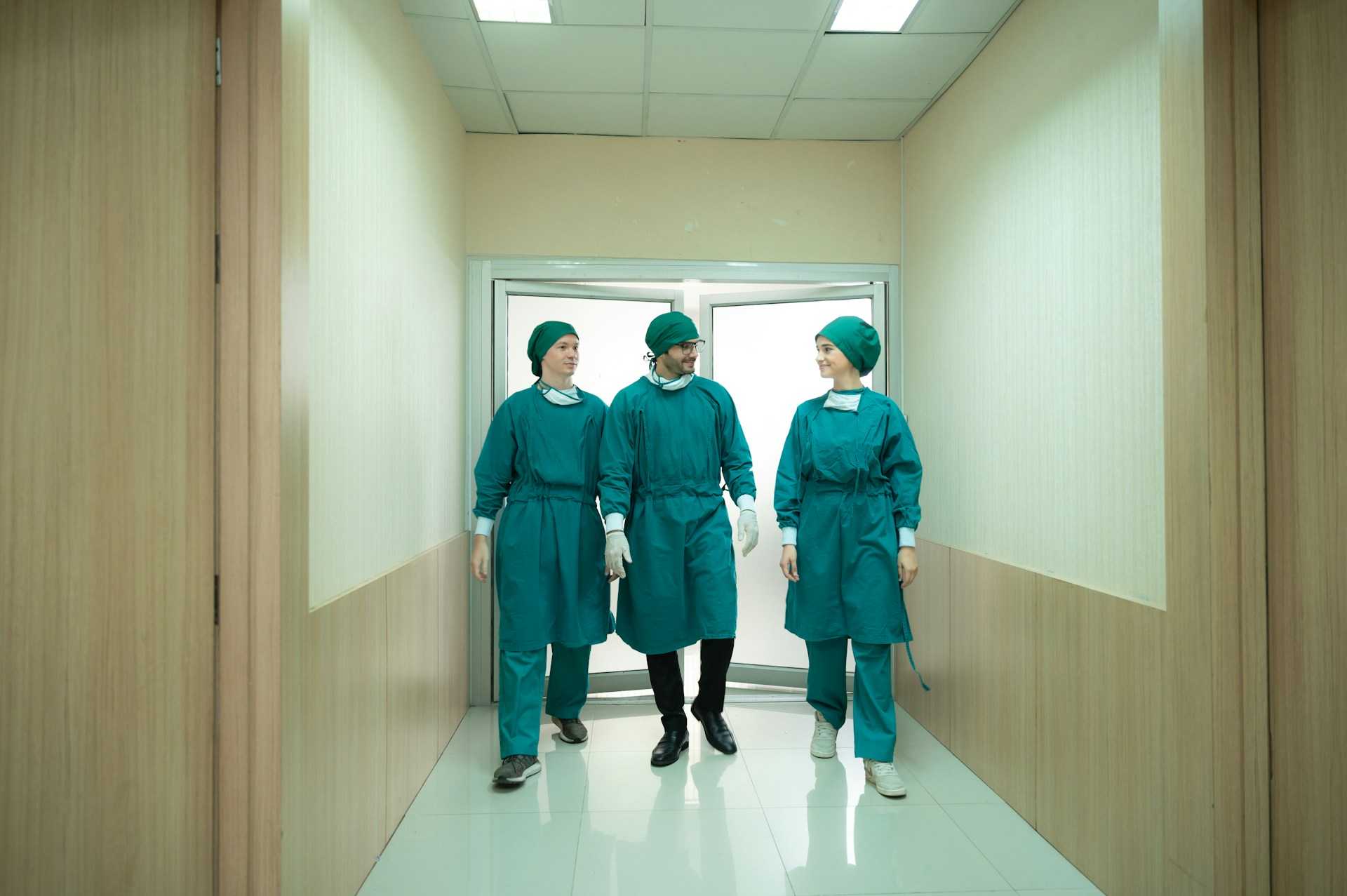
When Cleaning Shortfalls Put Clinical Teams at Risk Healthcare facility cleaning is not just about a shiny floor. It shapes patient safety, how your...
Read More
Overlooked Advantages of Healthcare Facility Cleaning Partners

Overlooked Advantages of Healthcare Facility Cleaning Partners

Healthcare facility cleaning is about much more than passing inspections or ticking off a checklist. It has a direct effect on patient trust, staff...

Read More