


Root-Cause Playbook for Recurring Gym Cleaning Failures: Key Fixes
Stop Recurring Gym Cleaning Failures Before They Start Recurring cleaning misses in a fitness center are not small problems. Odor in locker rooms,...

Fitness centers are some of the hardest spaces to keep truly clean. You have sweat, skin contact, shared equipment, and a steady stream of people touching the same handles and screens all day long. For a facility manager, that means your cleaning program is not just a support task; it is a direct reflection of your brand.
Members judge your space in seconds. Dust on a treadmill console, a musty locker room, or an overflowing bin can push them to another gym, lower your online ratings, and slow new membership sales. This is especially true when people return indoors after summer and membership traffic climbs.
In this guide, we will walk through how to structure a fitness center cleaning contract that actually fits how your gyms operate. We will cover must-have services, cleaning schedules, KPIs, and how to work with a professional provider for consistent results across all locations.
Every gym has a few zones that collect germs and grime faster than others. When these hot spots are not managed with a clear plan, you see more complaints and more work pushed back on your own staff.
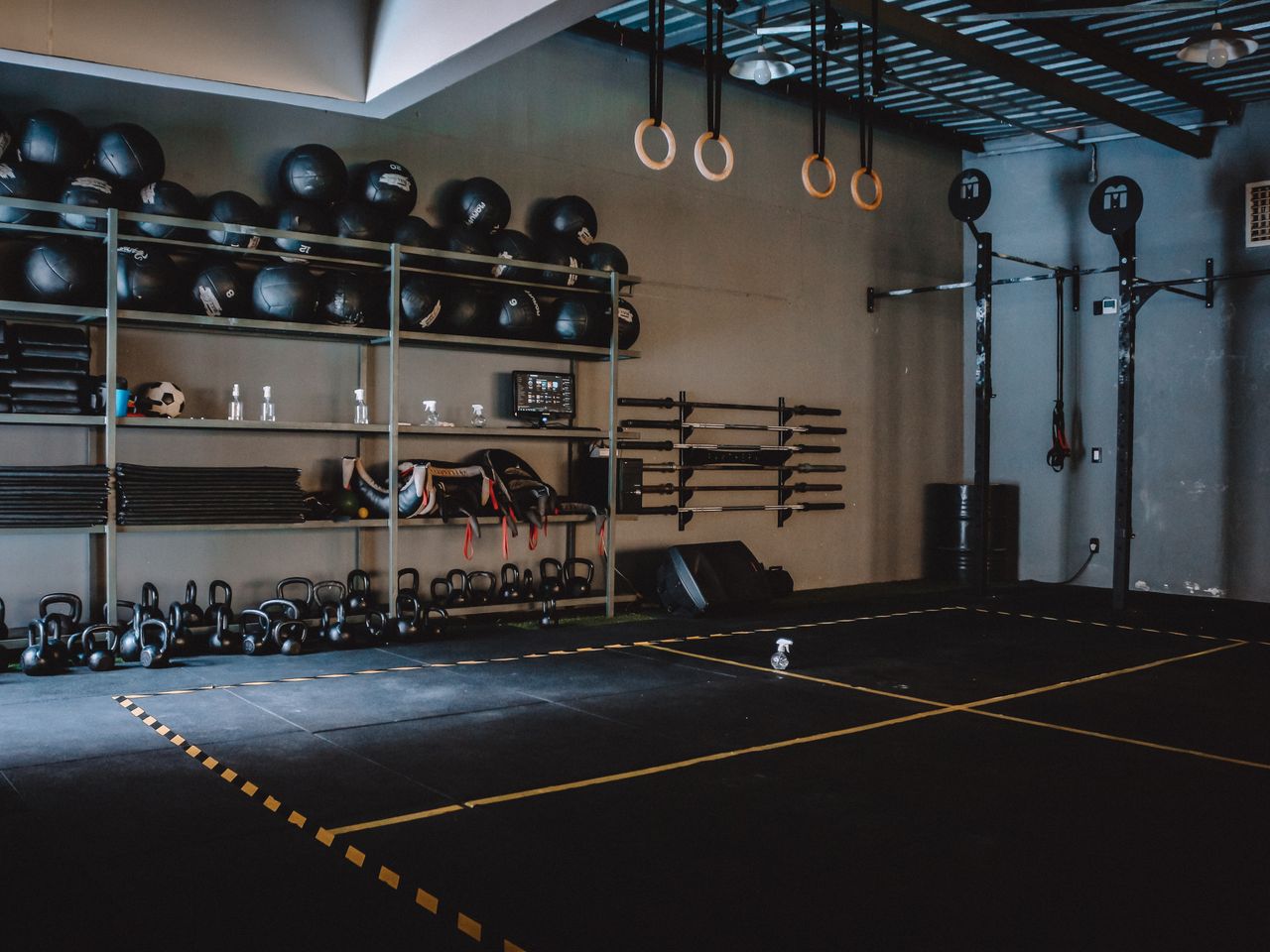
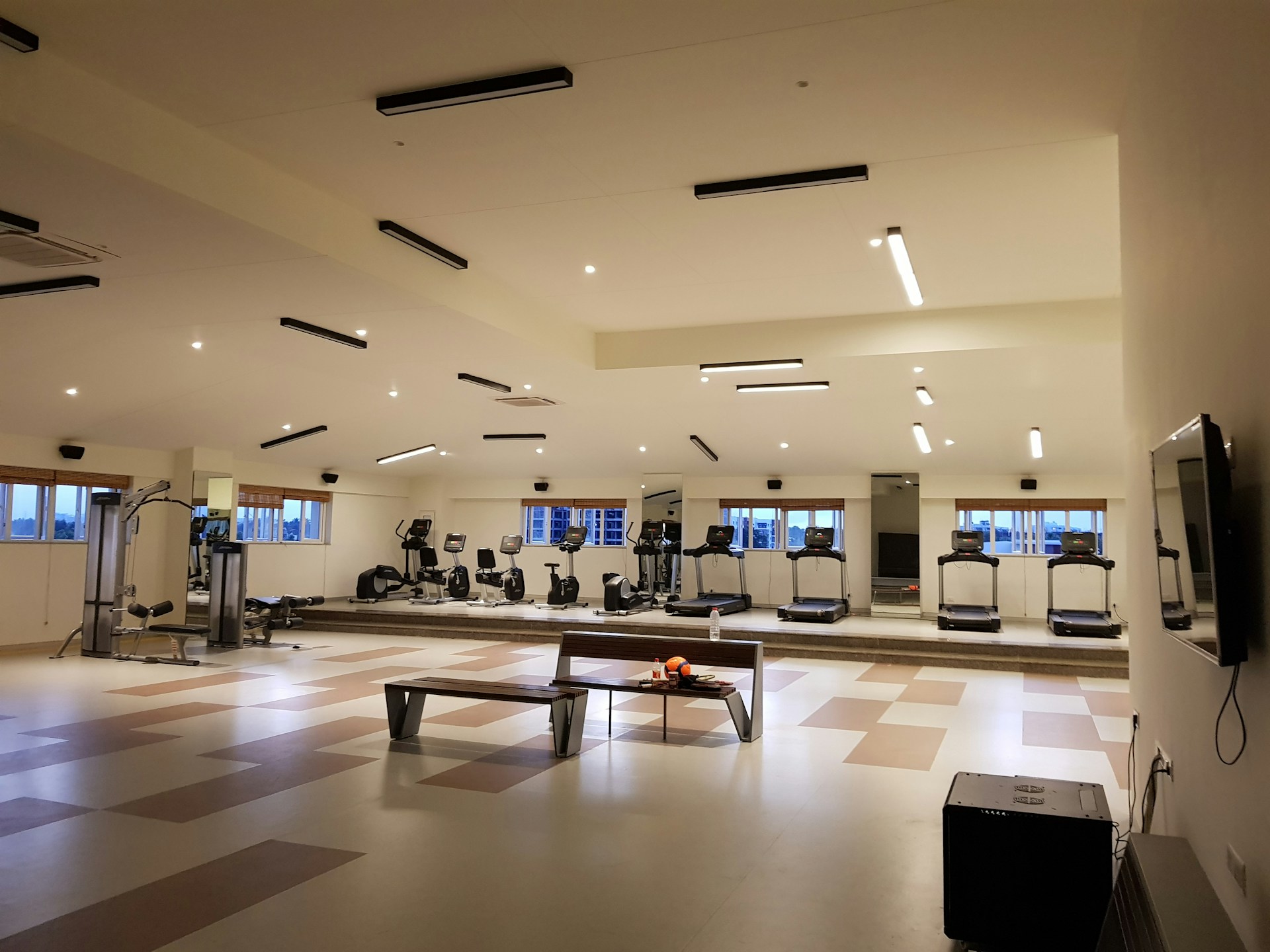
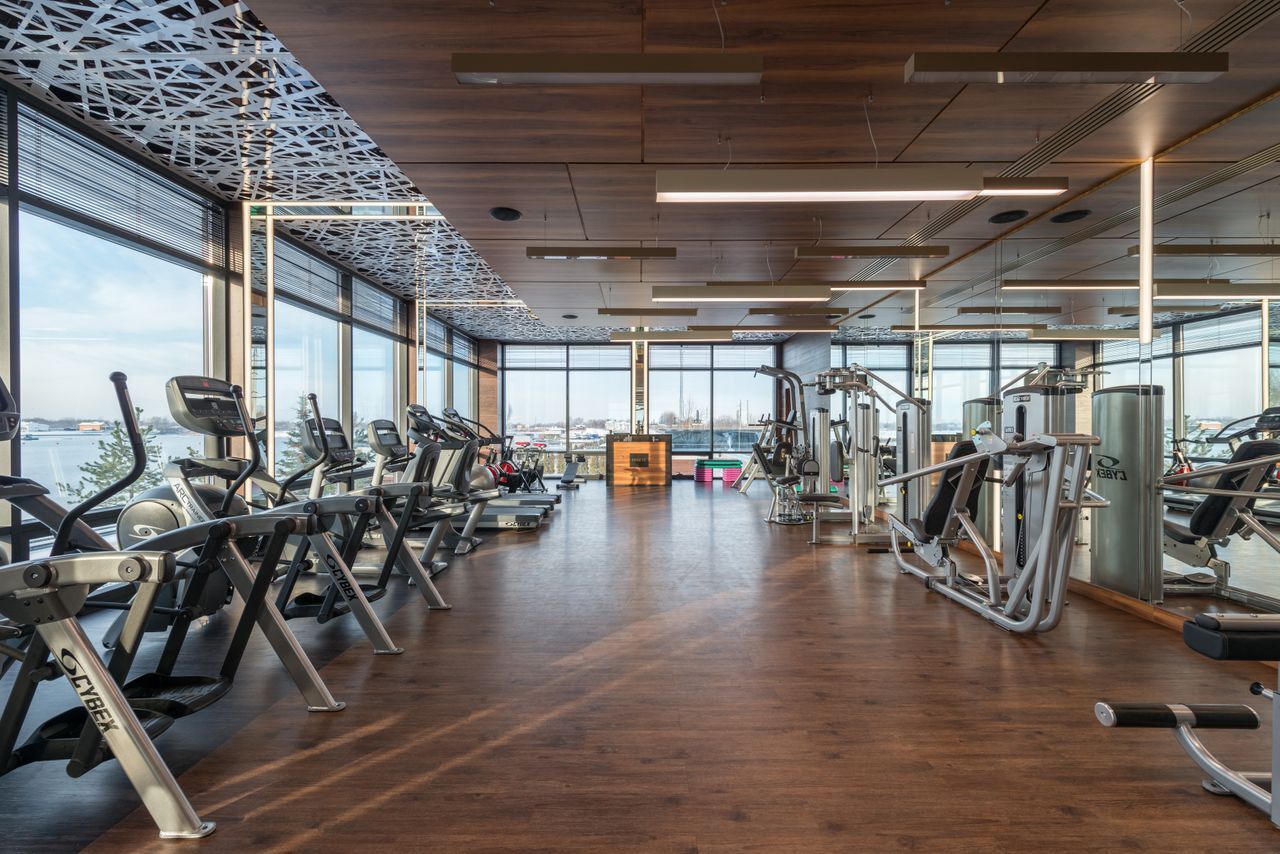
High-risk areas often include cardio equipment consoles and handrails; free weights, benches, and cable machine grips; mats and stretching areas; locker rooms, showers, and restrooms; saunas, steam rooms, and spa areas; as well as group fitness studios and cycling rooms.
These spaces deal with sweat, body oils, bare feet, and constant hand contact. Without the right cleaning frequency and products, you can end up with more colds and flu spreading in cooler months, strong odors, and visible buildup around drains and corners. Floors that are not cleaned and dried correctly can also cause slip-and-fall hazards.
When risks are not controlled, the impact shows up fast. Your front desk hears more complaints, your team spends time chasing spills and odors instead of focusing on service, and you may face more incidents in wet areas. Often, the root problem is a cleaning contract that does not match peak usage times or ignores certain spaces altogether.
A strong fitness center cleaning contract starts with a clear scope of work organized by zone. At a minimum, you want separate detail for the front desk, lobby, and member check-in; cardio and strength training areas; group studios and specialty rooms; locker rooms, showers, and restrooms; staff offices and break rooms; and storage and back-of-house areas.
Next, lay out service frequencies so there is no guesswork. For many fitness centers, this includes multiple daily wipe-downs and disinfection of high-touch equipment, daytime attention to restrooms, locker rooms, and trash, and nightly detailed cleaning of floors, fixtures, and equipment bases. It should also include periodic work such as weekly or biweekly descaling of showers and scrubbing machine bases, along with monthly or quarterly services for vents, high dusting, and deep floor care.
Your contract should also spell out standards and what “clean” looks like. That means clearly defining odor control expectations in locker rooms and restrooms, floor appearance standards for rubber, tile, and carpeted areas, product refill requirements for soap, paper, and sanitizer, trash removal frequency and container cleanliness, and how disinfection is performed and documented.
When these expectations are written clearly, it is easier to inspect, correct, and keep every site aligned.
Not every cleaning method is right for a fitness center. The products and tools you specify in your contract have a big impact on results, member comfort, and safety.
For high-traffic gyms, professional methods often include:
Regulatory and brand requirements also matter. Your contract should address:
It also helps to outline product and equipment preferences, such as low-odor cleaning chemistries so members are not overwhelmed, green cleaning options where appropriate for your brand, HEPA-filter vacuums to help with air quality and fine dust, and moisture-control practices that protect rubber flooring and lockers from damage.
Spelling this out keeps cleaning consistent even when staff or locations change.
Cleaning schedules work best when they follow member traffic instead of the clock on the wall. That starts with the staffing model described in your contract.
Many fitness centers benefit from a mix of day porters or day staff during peak hours to handle touchpoints and spills, overnight crews for full cleaning when the gym is empty, and flexible staffing that can scale up during seasonal surges.
To keep service performance on track, define SMART KPIs that are specific, measurable, and time-bound. Examples include:
Your contract should also clarify how services are grouped. Even if pricing details are handled separately, the structure should make it very clear which tasks are part of routine cleaning and which are specialty or project work. Using performance scorecards and regular reviews helps keep expectations aligned with outcomes.
For facility managers responsible for several locations, the challenge grows. Different local vendors, different standards, and different reporting styles can quickly lead to uneven member experiences.
Common multi-site pain points include one gym looking spotless while another struggles with basics, inconsistent use of products and methods that confuses staff and members, and extra time spent by regional leaders coaching and auditing cleaning vendors.
Working with a single national partner can simplify this. A provider that understands multi-site fitness center cleaning can bring:
Contract structures for chains often work best when you combine a master service agreement with site-specific scopes of work. That way, you keep your standards and KPIs the same, while still adjusting for each location’s size, layout, and schedule. Seasonal adjustment clauses can help you plan for predictable waves in usage without rewriting your contract each time.
A clear, well-structured fitness center cleaning contract does more than keep your space tidy. It supports member confidence, protects equipment, limits risk from slips and illness, and gives your on-site staff time back to focus on service and operations instead of chasing cleaning gaps.
Before you go to bid or renew, it helps to:
When you partner with a commercial cleaning provider that understands multi-site operations, like Cleaning Services Group, Inc., you can align your contract with your brand standards and your growth goals. The right structure turns cleaning from a background task into a clear support system for the member experience you want to deliver in every facility.
If you are ready to elevate the health and safety standards of your facility, our expert fitness center cleaning solutions are designed to fit your schedule and budget. At Cleaning Services Group, Inc., we tailor every program to your equipment, traffic patterns, and specific sanitation requirements. Reach out today so we can review your needs, recommend a plan, and help you maintain a consistently clean, member-ready environment.
Stop Recurring Gym Cleaning Failures Before They Start Recurring cleaning misses in a fitness center are not small problems. Odor in locker rooms,...
You want the cleaning company that will best suit your facility; does that mean you should use a nationwide cleaning company?
Turn Fall Rush Into a Cleanliness Advantage Fall often brings a rush of new and returning members into fitness centers. People come back from summer...