


Why hire professionals to do your medical office cleaning?
Cleaning an ordinary office is important if only to ensure that the office is a pleasant place to be, but medical office cleaning goes way beyond...
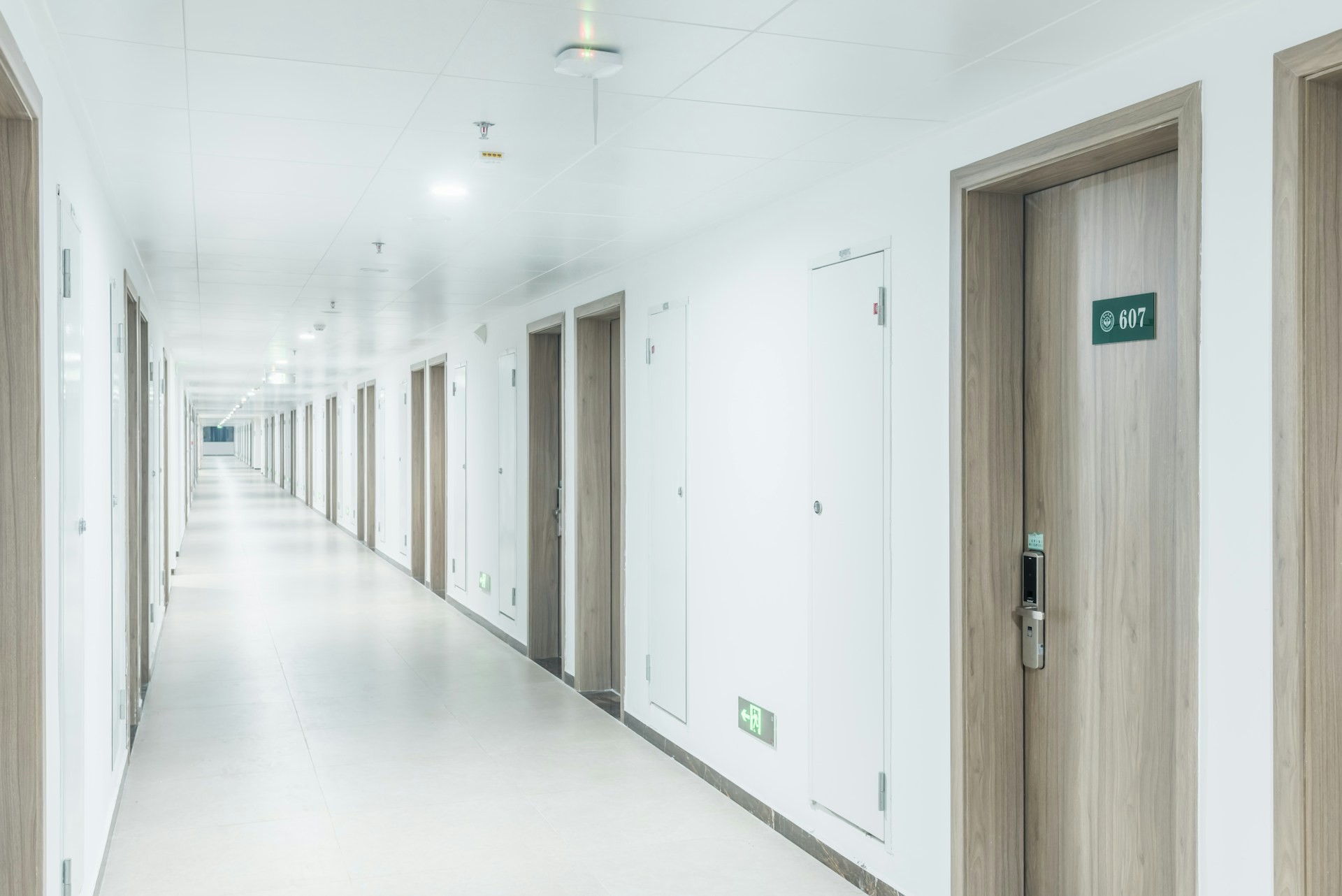
Medical centers are busy all year, but late summer and fall can feel like a storm building. More kids back in school, more travel, more coughs and fevers walking through your doors. If your medical center sanitization plan is built around habits from years ago, it may not match what is happening in your hallways today.
New pathogen variants, higher patient volumes, complex outpatient care, and sharper eyes from regulators and patients all raise the bar. The danger is that warning signs rarely start as a crisis. They show up as small issues that are easy to shrug off until they turn into healthcare-associated infections, poor reviews, or tough survey findings.
At Cleaning Services Group, Inc., we work with multi-site healthcare facilities that want a modern, scalable approach instead of a set of outdated routines. Our goal here is simple: help you spot the risk signals that your medical center sanitization program needs an update, before peak illness season hits your locations at once.
One of the clearest signs that a sanitization plan is out of step is what you see in infection data and daily operations.
Look for early patterns such as:
These patterns may point to missed disinfection steps, not enough cleaning frequency, or products that are not being used with the right dwell time. High-touch points like door handles, bed rails, elevator buttons, keyboards, and chair arms are common weak spots.
Another signal is the presence of stubborn hot spots in the building. Typical trouble areas include:
If you keep hearing complaints about odors or dirty restrooms, see ATP or environmental tests failing in the same zones, or notice surfaces that never look fully clean, the plan behind the work is probably outdated, not just the execution.
Seasonal spikes are another red flag. Late summer back-to-school, fall flu, and waves of RSV or COVID should not catch a medical center by surprise. If your team has to scramble every time there is a surge, rushing to:
then the program is reactive instead of data-driven. A modern partner plans for seasonal patterns, builds in surge capacity, and helps keep those spikes from turning into full-blown disruptions.
Even the hardest-working team will struggle if the chemistry and tools are stuck in the past.
One issue is using older disinfectants that do not match current pathogen risks or that require long dwell times that no one has time to honor. A product can be approved for certain organisms, but if it is wrong for the surface type or is so harsh that staff try to rush through it, the real-world result will not match the label.
Common product problems include:
Regular chemistry reviews with a professional cleaning partner help make sure your products line up with current guidance for medical center sanitization.
Tools are another area where yesterday’s methods can create blind spots. A mop and bucket and a spray bottle may still have a place, but relying on them alone often leads to gaps in coverage and consistency. Newer approaches, such as electrostatic spraying, microfiber systems, no-dip flat mops, HEPA-filtered vacuums, and smart floor care equipment, can:
Protocols themselves can also be frozen in time. Signs include cleaning manuals that mention old guidelines, schedules that ignore current isolation room practices, or rigid routines that stay the same no matter a unit’s occupancy or acuity. Modern programs tend to use risk-based zoning, clear color-coding, and well-defined levels of cleaning and disinfection for each space type.
Partnering with a provider that keeps procedures aligned with CDC, OSHA, and healthcare best practices helps keep your written plans and daily work in sync.
You can have good products and clear protocols on paper, but if training has not kept up, practice on the floor will tell a different story.
Watch for inconsistent practices from shift to shift, such as:
This kind of variation usually points to one-time onboarding training, a lack of simple checklists, and limited supervision. In healthcare settings, especially during busy respiratory virus seasons or when caring for high-risk patients, variation equals risk.
Another warning sign is staff confusion about current guidelines. If team members are unsure which product to use in a multi-bed room, do not fully understand isolation signage, or struggle with steps for bloodborne pathogen cleanups, it is time for more than a quick huddle. Guideline updates from public health agencies and accrediting bodies need ongoing refreshers and competency checks, not just an email.
Turnover adds another layer. Around late summer and schedule change periods, it is common to lean on new hires or temporary staff. Dropping people into patient care spaces without strong, healthcare-specific sanitization training puts everyone at risk. Specialized cleaning partners can support multi-site health systems with standardized onboarding, recurring training, and consistent documentation that travel with the employee, not just the building.
Regulators, surveyors, and patients may notice problems in your medical center sanitization program before the data does.
Survey findings like incomplete cleaning logs, missing Safety Data Sheets, or gaps between written scope of work and actual practice can look small in the moment. When similar comments show up across multiple visits, they often point to deeper issues with how work is planned, tracked, and reviewed.
On the patient side, cleanliness is one of the first things people judge when they walk into a medical center. Odors in restrooms, overflowing trash, sticky floors, and dusty vents all shape how safe people feel. During heavy virus seasons, patients and families tend to be even more sensitive to what they see, smell, and touch.
If feedback forms, HCAHPS scores, or online reviews frequently mention cleanliness, clutter, or restrooms, your sanitization plan is not keeping pace with expectations in a post-pandemic world.
For health systems and groups with multiple locations, uneven performance can create brand issues too. When one site feels spotless and another feels tired and worn, patients start to question standards, not just the building. Inconsistent vendor performance, different protocols, and uneven oversight all feed that gap. A single partner with standardized processes and reporting can help bring all locations up to the same level, protecting both reputation and compliance.
Modernizing your medical center sanitization plan starts with a clear view of where you stand. A risk-focused assessment should pull together:
Include voices from infection prevention, environmental services leadership, and frontline staff. What is written on paper and what happens in the room can be very different, and both matter. An outside assessment from a specialized provider like Cleaning Services Group, Inc., can also offer fresh eyes and industry benchmarks across healthcare, retail clinics, fitness centers, and other high-traffic settings.
Once you see the gaps, look for high-impact, quick improvements. For many facilities, helpful early steps include:
You can pilot new tools or methods in a high-risk area such as urgent care, infusion centers, or busy outpatient clinics. Track outcomes like infection trends, complaints, and audit scores. Share clear updates with staff and leaders so everyone understands what is changing and why.
Over time, the goal is to move from a series of short fixes to a long-term, strategic approach. At Cleaning Services Group, Inc., we work with multi-site health systems to support ongoing program reviews, seasonal planning, emergency response support, and scalable staffing and service models that can grow as your organization grows.
When you understand the risk signals and respond before the next surge, medical center sanitization becomes more than a checklist. It becomes a steady part of how you protect patients, staff, and your brand every single day.
When it comes to infection control, you need a cleaning partner that understands healthcare standards inside and out. At Cleaning Services Group, Inc., we follow strict protocols and use professional-grade products to support a safer environment for your staff and patients. Explore our specialized medical center sanitization services to see how we can tailor a program to your facility. Reach out today so we can help you strengthen cleanliness, compliance, and peace of mind.
Cleaning an ordinary office is important if only to ensure that the office is a pleasant place to be, but medical office cleaning goes way beyond...
Turn Outdoor Event Traffic Into Lasting Retail Sales Outdoor events pull people out of their homes and into your area. Concerts, street festivals,...
Winter can shake things up inside a warehouse, often faster than we expect. Cold air, wet floors, and equipment strain can all start to slow things...