


5 min read

Inside Healthcare Facility Cleaning: Night Shift Risks Managers Miss

Inside Healthcare Facility Cleaning: Night Shift Risks Managers Miss

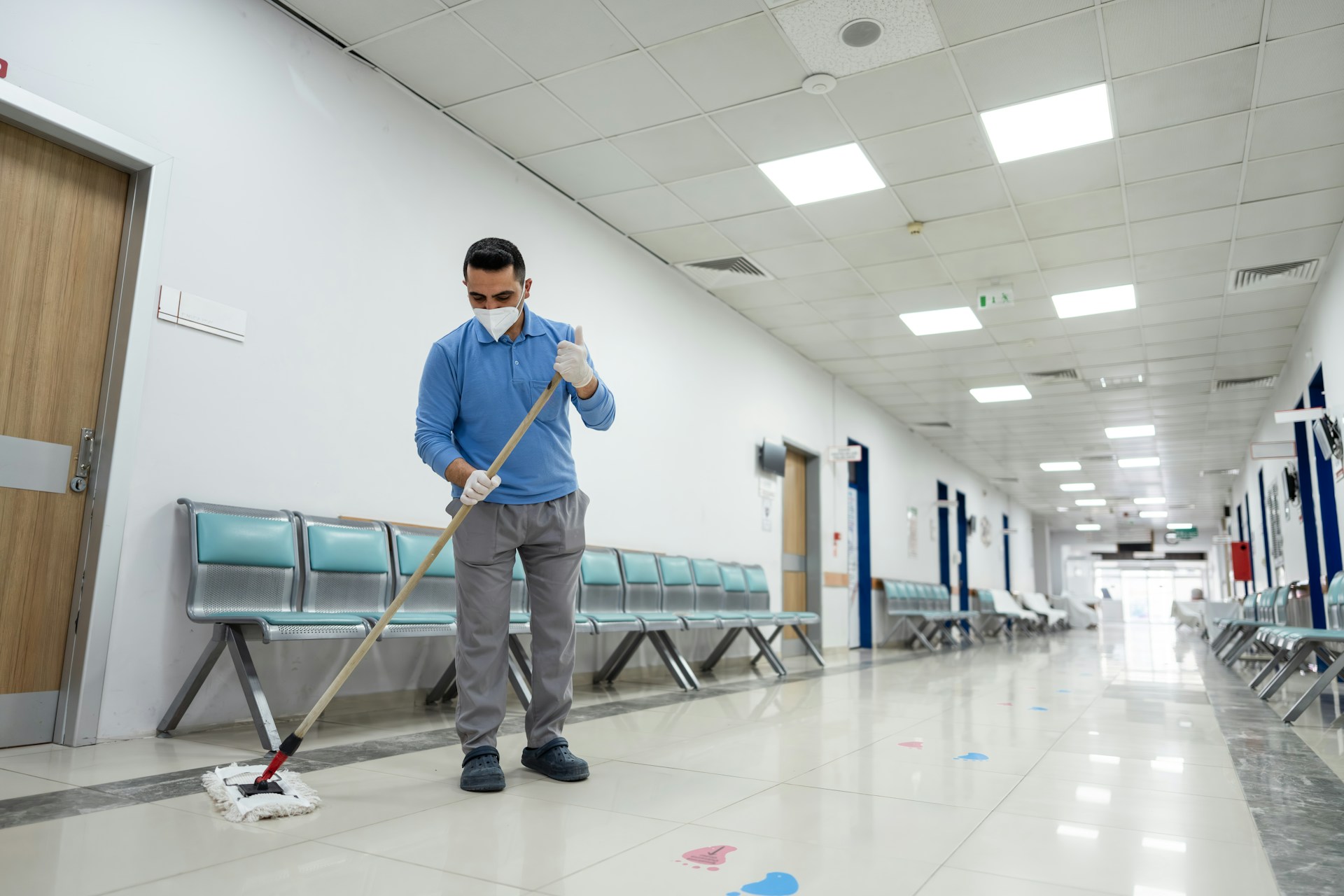
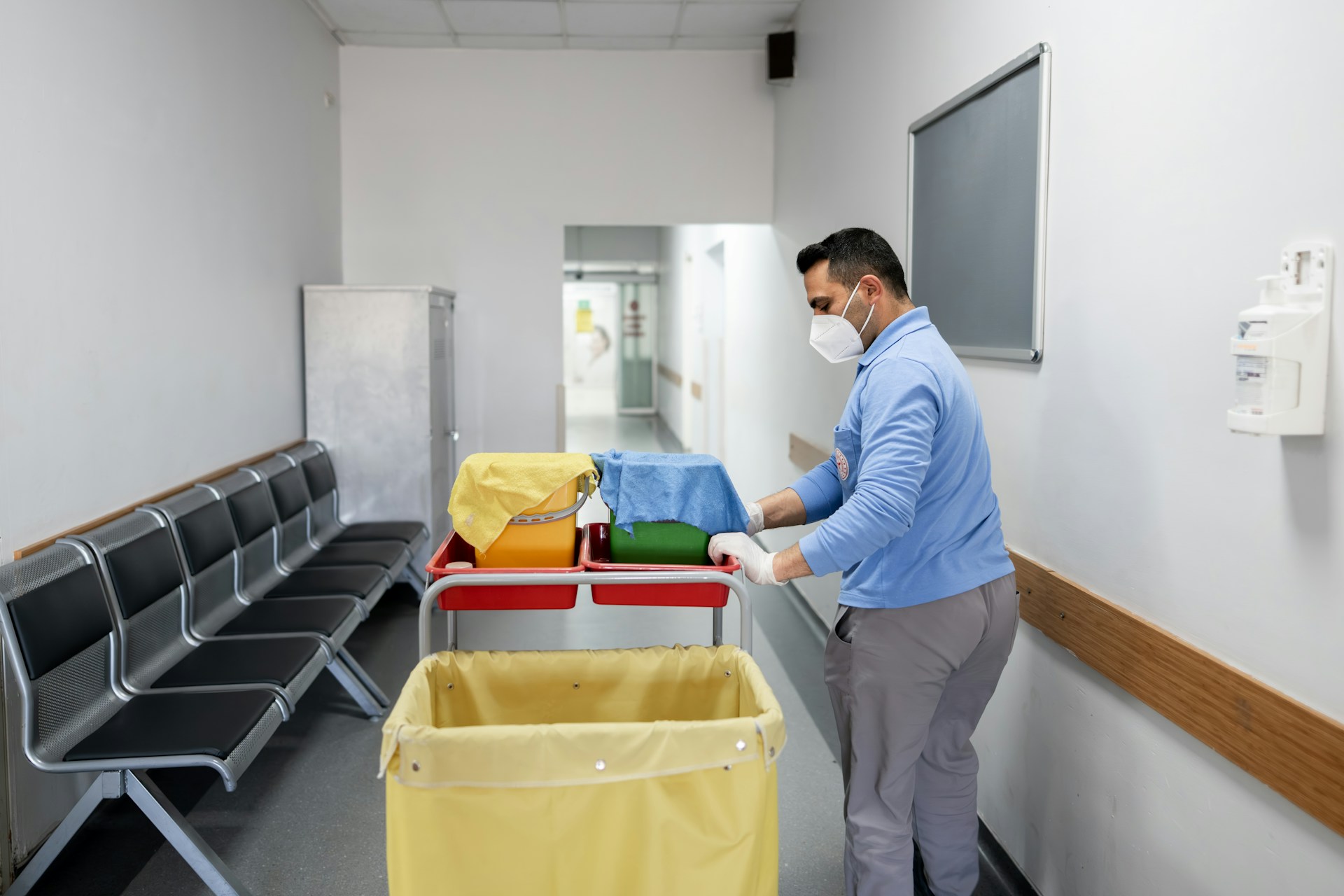
Healthcare facility cleaning does not stop when visiting hours end. In many hospitals and clinics, the real work for environmental services begins when the halls get quiet, the lights dim, and most clinical leaders head home. That quiet can trick people into thinking the risk is lower, but for infection control and safety, the opposite is often true.

We see this across many multi-site healthcare systems. Daytime cleaning is watched closely, logged often, and tied to visible standards. At night, the same spaces can be cleaned by smaller teams working under pressure, with less oversight, and with very different routines. That gap is where risk grows, especially as fall and winter illnesses pick up and surface hygiene needs to hold strong across every shift.

Night Shift Blind Spots That Put Patients at Risk

After visiting hours, a facility feels different. There are fewer staff members walking around, fewer families in the halls, and more trust placed on the night-shift cleaning crew. With fewer eyes on the work, many cleaning decisions move from “follow the protocol” to “do what seems most urgent.”

Some blind spots we often see at night include:

  • Less attention to documented checklists and logs
  • Reduced focus on non-patient areas that still affect infection risk
  • Quiet acceptance of shortcuts when staff are stretched thin

Day crews might follow very clear disinfecting steps, while night crews work from memory or habit. These “unseen” practices can quietly pull the facility away from the infection prevention standards that leaders expect.

Healthcare facility cleaning at night has its own set of challenges. Surfaces still collect germs from staff, urgent patients, and late procedures. When respiratory and stomach bugs rise in the cooler months, any small lapse in cleaning can matter more. Multi-site operators need night-shift standards that are as strong, repeatable, and measurable as daytime routines, across every building in their portfolio.

How Night Shift Routines Quietly Erode Compliance

Night shifts often run with fewer people and fewer supervisors. That staffing reality can slowly chip away at cleaning compliance, especially in areas that do not seem high-risk at first glance.

Common drifts from protocol include:

  • Shortening disinfectant dwell times to move faster between rooms
  • Skipping low-visibility high-touch surfaces, like under railings or back sides of doors
  • Swapping products when a chemical runs low, without checking if it is approved

Another source of trouble is misaligned expectations between day and night teams. The day crew may use printed or digital checklists, log every discharge clean, and take part in regular quality checks. The night crew may rely on verbal instructions, incomplete paperwork, or “this is how we usually do it.”

This split can:

  • Make it hard to prove compliance during audits
  • Weaken surface-level infection control in low-traffic spaces
  • Increase the chance that gaps contribute to higher HAI risk over time

When a system operates across many hospitals, clinics, and outpatient centers, even small night-shift differences can add up. Centralized standards, clear work instructions, and consistent digital reporting help keep every shift aligned with the same healthcare facility cleaning expectations.

Hidden High-Risk Zones After Visiting Hours

Not all risk lives in patient rooms. Once the doors close to visitors, some of the highest-risk areas are the ones that keep running late into the night.

These often include:

  • ER and urgent care waiting rooms
  • Imaging suites, like MRI and CT, with extended hours
  • Lab drop-off counters and specimen pass-throughs
  • Staff break rooms and lounges used heavily by overnight teams

Because these spaces may feel “less clinical,” they can be cleaned less often or less thoroughly than patient rooms, especially at night. Yet they still collect germs from sick patients, tired staff, and shared equipment.

High-touch items that tend to be missed on overnight rounds include:

  • Elevator buttons on staff-only routes
  • Med carts and supply carts parked in quiet halls
  • Shared workstations and keyboards
  • Badge readers and access control pads
  • Mobile equipment that rolls between departments

As respiratory and stomach illnesses increase with cooler weather, these “background” surfaces can act as silent reservoirs. A targeted zoning strategy can help. That means:

  • Clearly tagging these areas as priority zones in night-shift plans
  • Setting specific frequencies and methods for cleaning each zone
  • Making high-touch surfaces in staff areas just as important as those in patient rooms

Night Shift Labor Pressures That Undermine Safety

Night crews often cover more ground with fewer people. They may clean multiple departments in a single shift, move quickly between buildings, or handle both routine work and urgent calls. This pressure can push people to rush, which raises the odds of mistakes.

Common risks from labor pressure at night include:

  • Incorrect product dilution when staff are tired or in a hurry
  • Not honoring required dwell times before wiping surfaces
  • Cross-contamination from using the same cloth or tool in multiple zones

High turnover on night shifts can add to the challenge. New staff may learn from whoever is on duty that night instead of from a structured training program built for healthcare environments. Without clear, repeatable training and easy-to-follow SOPs, each new person can drift a bit further away from the intended standard.

Safety concerns are also higher at night:

  • Chemical handling without onsite supervisors to answer questions
  • Unclear steps for cleaning isolation rooms when clinical staff are limited
  • Slips, trips, and falls in dim corridors or stairwells

When these issues show up on patient surveys or during infection control reviews, leaders often discover that the root cause sits in inconsistent night-shift practices, not in daytime routines that are already tightly managed.

Closing the Loop with Data-Driven Night Shift Oversight

If leaders cannot see what happens at night, they cannot manage it. That is where data and simple technology tools come in. The goal is not to watch every move, but to turn night-shift cleaning into something that is visible, measured, and easy to improve.

Helpful tools and practices include:

  • Time-stamped task checklists that show when and where work was done
  • ATP testing to confirm surface cleanliness in key zones
  • Photo verification for special projects or sensitive areas
  • Site-level dashboards that flag missed tasks or patterns over time

When standardized healthcare facility cleaning protocols are paired with clear KPIs, multi-site operators can compare performance across hospitals, clinics, and outpatient centers. They can see which locations are keeping up at night and which need extra training or staffing adjustments.

Regular joint reviews between clinical leaders, facilities teams, and cleaning partners keep night-shift plans current, especially before busy illness seasons. With experience across many locations, a partner like Cleaning Services Group, Inc. can help create consistent QA programs, surge plans for higher patient volumes, and fast responses when data reveals gaps in overnight work.

Turn Your Night Shift Into a Safety Advantage

Unmanaged night-shift risks can quietly weaken even the strongest infection control program. But when overnight cleaning is given the same structure, standards, and support as daytime work, it can become a real strength for your organization.

A simple way to start is to:

  • Audit current night-shift routines, including checklists and logs
  • Walk high-risk zones after hours to see what actually happens
  • Review how new night staff are trained and who signs off on their work
  • Compare practices and outcomes across all your locations

At Cleaning Services Group, Inc., we focus on scalable, standardized cleaning programs for complex, multi-site operations, including healthcare facilities that run on a 24-hour clock. With the right structure, training, and data, the night shift does not have to be a blind spot. It can be the quiet backbone that keeps every site safer, cleaner, and ready for whatever each new day brings.

Get Started With Your Project Today

If you are ready to raise the standard of cleanliness and safety in your medical environment, we are here to help you design a plan that fits your facility, schedule, and regulatory needs. Explore our specialized healthcare facility cleaning services to see how we support infection control and patient satisfaction. At Cleaning Services Group, Inc., we work with you to implement consistent, documented processes that stand up to audits and daily demands. Reach out to our team so we can discuss your facility, answer questions, and outline next steps tailored to your operations.

Questioning Your Healthcare Facility Maintenance Playbook for Summer

Questioning Your Healthcare Facility Maintenance Playbook for Summer

Questioning Your Healthcare Facility Maintenance Playbook for Summer Summer puts different pressure on a healthcare facility than cooler seasons....
Read More
Signs Your Healthcare Facility Cleaning Is Straining Clinical Staff

Signs Your Healthcare Facility Cleaning Is Straining Clinical Staff

When Cleaning Shortfalls Put Clinical Teams at Risk Healthcare facility cleaning is not just about a shiny floor. It shapes patient safety, how your...

Read More
Why hire professionals to do your medical office cleaning?

Why hire professionals to do your medical office cleaning?

Cleaning an ordinary office is important if only to ensure that the office is a pleasant place to be, but medical office cleaning goes way beyond...

Read More