


2 min read
4 things to know about medical facility cleaning from the cdc
Massachusetts is home to the best healthcare facilities in the world, and that means living up to the best quality of care and quality of medical...
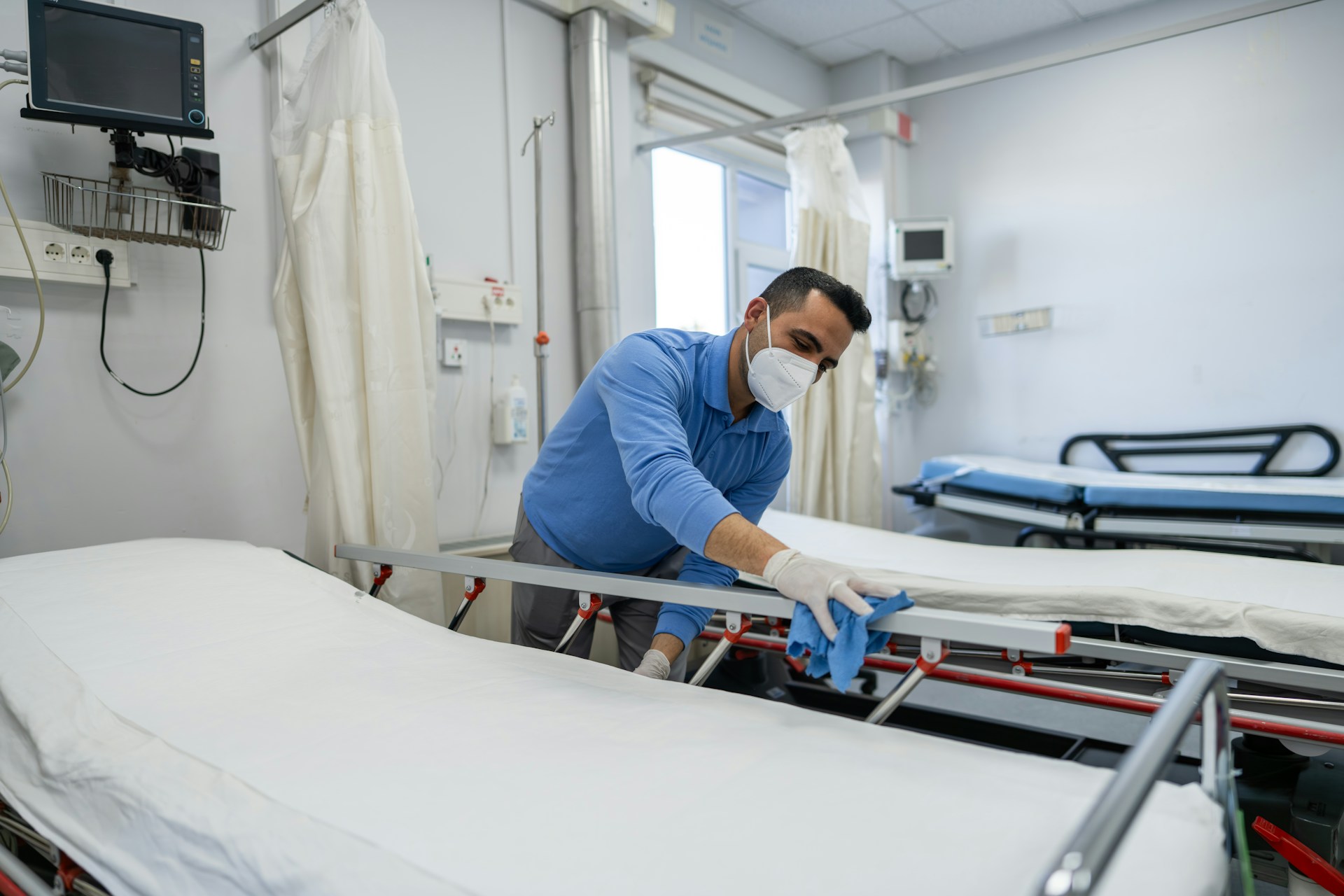
Clean healthcare spaces do more than look nice. They quietly tell patients and families, you are safe here. When someone walks into a clinic or hospital, they notice surfaces, smells, and how people move through the space. That first look sets the tone for how much they trust the care they are about to receive.
A nervous family waiting for news often sees every detail. They notice if the waiting room feels fresh or feels stuffy, if the trash is emptied, if a cleaning team member wipes down chairs between patients. Even without knowing any medical terms, they read the space and decide if they feel protected. Cleanliness becomes a kind of silent promise.
Professional healthcare cleaning crews are the quiet partners that help keep that promise. We support patient outcomes, help protect a facility’s brand, and back up regulatory goals by keeping spaces ready for care. At Cleaning Services Group, Inc., we focus on multi-site health systems that need the same high standard in every location, from large centers to small clinics, including during busy spring procedure seasons when patient traffic climbs.
Patients might not see every step of infection control, but they notice key touchpoints right away. Some of the areas that shape trust include:
Main entrance and lobby, floors, mats, glass, and check-in counters
Restrooms, toilets, sinks, mirrors, and soap and towel dispensers
Waiting rooms, chairs, upholstery, side tables, and floors
Exam and treatment rooms, bed rails, counters, sinks, and tools in view
High-touch surfaces, door handles, elevator buttons, and railings
Sensory cues matter. Patients are influenced by:
Clear, open spaces without piles of supplies or clutter
Odors that are neutral or lightly clean, not harsh or musty
Simple signs that explain cleaning and disinfection routines
Labeled disinfecting products or logs that show regular checks
Small issues can undo a lot of hard work. Dust in corners, fingerprints on glass, soap spills on counters, or an overflowing bin can chip away at confidence, even when the clinical team is doing excellent work. During high concern times, such as spring allergy and respiratory seasons, people pay even closer attention to what looks and feels clean.
Regular, visible cleaning routines help calm those worries. When patients see steady care of restrooms, frequent trash removal, and clear attention to shared surfaces, they feel like the entire facility pays attention to details that protect them.
Behind that calm, clean feeling is a very structured day. Healthcare cleaning crews move in a steady rhythm that fits around patient flow.
A typical day often includes:
Opening procedures to prepare lobbies, restrooms, and exam rooms before the first visit
Daytime maintenance to keep restrooms, waiting areas, and high-touch surfaces under control
Terminal cleans after patient discharges or procedures, guided by facility protocols
Overnight deep cleaning for floors, public spaces, and back-of-house areas
Key task groups include:
Disinfecting high-touch surfaces many times throughout the day
Handling regulated medical waste and sharps containers according to facility rules
Sanitizing restrooms and keeping them stocked
Floor care for hard floors and carpets to control dirt and slip risks
Replenishing hand sanitizer, gloves in assigned areas, and other critical supplies
Our teams work closely with nursing and clinical staff to time cleaning so care is not interrupted. That might mean:
Waiting until an exam room is cleared before starting the reset
Planning floor work around peak visiting times
Adjusting schedules when the operating room (OR) or procedure rooms are running long
At Cleaning Services Group, Inc., we set standard routines, checklists, and quality controls across all locations we serve. That way, whether someone visits a large hospital campus or a smaller satellite site, they experience the same level of clean and the same attention to safety.
What patients see is the outcome. What they usually do not see is the training and structure behind it.
Healthcare cleaning teams receive focused training that covers:
Bloodborne pathogen safety and how to handle body fluid events
Correct use of EPA-registered disinfectants and required dwell times
Color-coded microfiber systems to reduce cross-contamination
Safe handling and storage of chemicals and equipment
We align our work with current CDC, OSHA, and Joint Commission guidelines that impact cleaning, infection prevention, PPE use, and documentation. That includes clear procedures for:
When and how to wear gloves, gowns, or masks by area and task
Recording cleaning tasks to support audits and surveys
Handling different types of spills and exposure incidents
Product and equipment choices also matter for both safety and comfort. We focus on:
Low-odor disinfectants in patient areas to reduce discomfort
HEPA-filtered vacuums that help remove fine particles from the air and floors
Quieter machines that cut down on noise in waiting rooms and patient care areas
Training does not stop after the first week. Our teams take part in ongoing education, including refreshers before higher volume periods, and we update operating procedures as guidance changes or new pathogens emerge. This helps us react quickly when health systems adjust their standards.
Cleanliness that patients trust is not just a checklist; it is a culture. Leadership, facility managers, clinical staff, and cleaning crews all play a part.
A strong culture of clean often includes:
Clear expectations set by leadership, not just for clinical care but also for the physical space
Shared metrics, such as cleanliness audits and patient feedback, that everyone can see
Visible reminders about hand hygiene and cleaning schedules
Feedback loops matter too. When a staff member or patient points out a concern, such as a restroom that needs attention or a hand sanitizer station that is empty, cleaning teams respond quickly. When those fixes are made and shared, people see that their concerns lead to real action.
Over time, this approach supports:
Higher patient confidence and comfort during visits
Better satisfaction scores and more positive online comments
Stronger brand protection for health systems with many locations
Patients may not say, “the culture of clean here is strong,” but they feel it in every space they enter and every surface they touch.
For facility leaders, it helps to step back and ask a few honest questions about current cleaning programs. Are standards the same across every site? Do cleaning plans reflect current healthcare expectations? Are teams ready for shifts in volume during busy seasons and unexpected surges?
A focused partner like Cleaning Services Group, Inc. supports health systems by providing:
Scalable healthcare cleaning crews that understand clinical environments
Standardized protocols and checklists tailored to each type of facility
Quality assurance reporting so leaders can see how locations are performing
Flexible staffing approaches that support regular operations and higher demand periods
The next step often starts with a thorough look at current spaces. From there, we can help review infection prevention priorities and build a multi-site cleaning plan that supports patient trust at every touchpoint. When people walk through the doors of a clinic or hospital, they should feel that the space cares for them even before the clinical team says a word. Trusted care begins with trusted cleanliness, and healthcare cleaning crews are at the heart of that promise.
Your facility deserves hospital-grade cleanliness that supports patient safety and regulatory compliance every day. Our expert healthcare cleaning crews are trained to work in critical environments, from operating rooms to outpatient clinics, with meticulous attention to infection control. Partner with Cleaning Services Group, Inc. to build a cleaning program tailored to your clinical workflows and risk areas. Reach out so we can review your current protocols and recommend a targeted, compliant solution.
2 min read
Massachusetts is home to the best healthcare facilities in the world, and that means living up to the best quality of care and quality of medical...

Cleaning an ordinary office is important if only to ensure that the office is a pleasant place to be, but medical office cleaning goes way beyond...
Warehouses take on a different energy in the last quarter of the year. With end-of-year shipping, holiday orders, and tighter timelines, staying...