


4 min read

How Medical Center Cleaning Teams Handle Changing Needs

How Medical Center Cleaning Teams Handle Changing Needs
6:50

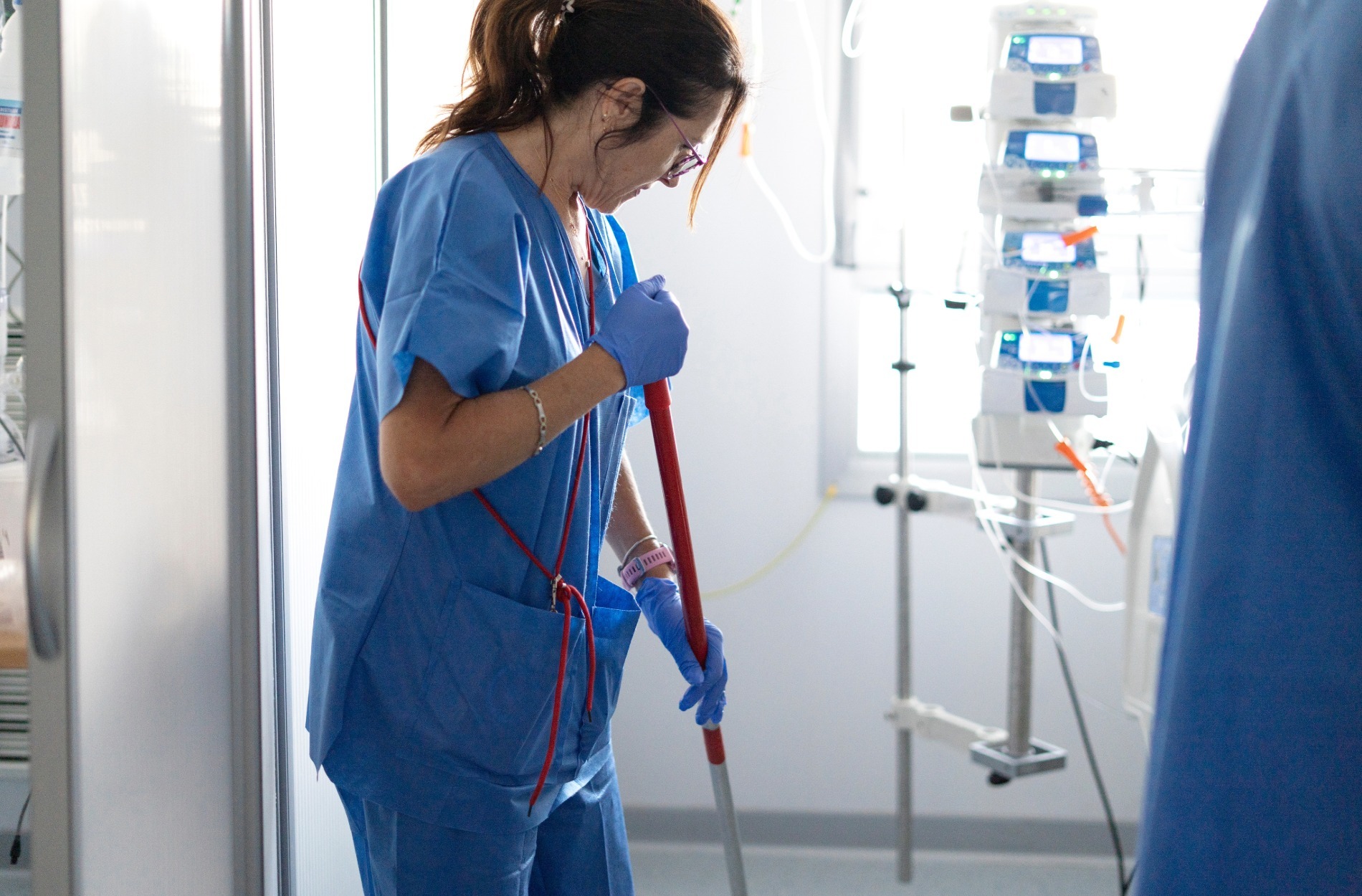
Medical centers are busy places full of movement and activity. Doctors, nurses, staff, patients, and visitors pass through the building every day. That means lots of shared spaces, high-touch areas, and constant use. Keeping everything clean is not just about looking neat. It is about making sure the whole space feels safe, comfortable, and ready for anything.

Cleaning in healthcare does not follow a one-size-fits-all routine. Instead, it shifts to match what is happening in real time. Appointments could be fully booked one week and quieter the next. A flu outbreak can suddenly change everything. This is where medical center cleaning takes on a different kind of importance. Everything depends on being ready to act fast.

Adjusting to Busy Seasons and Flu Surges

When cold and flu season ramps up, cleaning needs shift fast. There is more coughing and sneezing, more foot traffic, and more people moving through waiting areas and exam rooms. The same space that was manageable last month suddenly needs more attention.

  • Waiting areas fill up quickly and need more frequent surface cleaning

  • Exam rooms have higher turnover, requiring quicker resets between patients

  • Restrooms get much more use and may need additional checks throughout the day

Cleaning routines sharpen during these peak times. We focus on appearance and on reducing the spread of illness. During a surge, our teams may wipe down surfaces more often, check supplies more frequently, and communicate more closely with medical staff so we stay one step ahead of what each area needs.

Focus on High-Touch and High-Traffic Areas

Some parts of a medical center never get a break. From morning through late evening, high-traffic places see hands, feet, and belongings moving through nonstop. That makes high-touch spots key priorities in our day-to-day routines.

  • Door handles, elevator buttons, and handrails see constant contact

  • Check-in counters and touchscreen kiosks are used back-to-back

  • Chair arms, exam tables, and nurse stations need ongoing cleaning during shifts

It helps to look at where people naturally gather or pause: reception, hallways, staff lounges, and transitional areas like elevators or stairwells. These small zones often become hotspots for germs and clutter unless they are cleaned regularly. By identifying patterns in each facility, we know where to focus more often and which spaces need short breaks between cleanings to reset.

Cleaning Services Group, Inc. builds custom cleaning plans for healthcare clients by prioritizing high-touch surfaces and major traffic corridors. Our teams use engineered checklists and daily communication to ensure exam rooms, lobbies, and nurses’ stations consistently meet clinical standards for cleanliness and readiness.

Responding to Last-Minute Changes and Emergencies

In medical settings, change happens fast. An emergency can reshuffle a full floor in minutes. A sudden absence might shift patients to new wings. Whenever a room gets flipped or repurposed quickly, we have to be ready.

  • Cleaning should happen quickly and thoroughly between space uses

  • Some areas may need deep cleaning if they are used for sensitive procedures

  • We keep backup supplies and extra plans so we are not caught off guard

Flexibility plays a big role here. A set cleaning schedule might work most days, but we always leave space for the unexpected. Our goal is to help the flow of the facility stay on track, even when the plan changes. Being ready to jump in, reset a room, or address a new need helps the rest of the staff keep their focus on care, not logistics.

Supporting Staff Who Work Around the Clock

Many medical centers do not slow down after sunset. Some are open twenty-four hours, and others have shifts that roll into the early morning. That means care is happening at all hours, and cleaning has to match that rhythm.

  • Night shifts need fresh spaces too, especially in break rooms and charting areas

  • Early mornings or late nights are often the best time for deeper cleaning without interruption

  • We adjust workflows so daytime noise does not interfere with patient rest in off-hours

The building has its own patterns, from the first appointments of the day to the final overnight rounds. Our cleaning habits mirror that pace. People count on clean, stocked rooms no matter what time their shift starts. And quiet moments are not an excuse to ease up. They are often the best chance to catch up, resupply, and reset.

How Routine Keeps the Whole Building Running Smoothly

There are days when everything runs smoothly, and others where nothing goes as planned. Either way, having a set routine makes a real difference. It gives us something to rely on when changes pop up and helps everyone work together more easily.

  • We keep task lists to track what has been done and what needs checking

  • Shared communication helps us adjust shifts and cleaning routes on busy days

  • By following a clear plan, no one has to guess what has been cleaned or what is next

The routine is not rigid. It is flexible, but it still gives solid ground to stand on. Whether the lobby is packed or oddly quiet, the cleaning plan keeps us moving. When everyone knows their role and can check work off easily, the whole center works more smoothly.

Cleaning Services Group, Inc. uses daily routes, responsive checklists, and ongoing reporting for more than 330 healthcare facilities nationwide. We focus on proactive communication, quick supply checks, and an ability to adapt to schedule swings or care emergencies during every shift. Our support stretches from early-morning surgical suites to after-hours cleaning for large clinics.

Keeping Up Means Staying Ahead

Medical center cleaning calls for more than just a mop and a trash bin. It takes focus, awareness, and the ability to stay ready no matter what comes through the door. Whether we are resetting a room after an emergency or wiping down a crowded lobby during flu season, being prepared spreads calm throughout the building.

Good cleaning habits support patients, protect staff, and help medical teams focus on care. By staying in step with the pace of the day and adjusting quickly to change, we help keep the space safe, steady, and ready for whatever happens next.

At Cleaning Services Group, Inc., we understand the unique demands and fast-paced environment of healthcare facilities. Our team is experienced in handling everything from busy waiting areas to important after-hours cleaning, making sure your building runs smoothly at all times. Find out more about how we approach medical center cleaning across a variety of healthcare settings, and reach out to talk about a plan made for your facility’s needs.

Winter Checklist for Healthcare Facility Maintenance Teams

Winter Checklist for Healthcare Facility Maintenance Teams

Winter can put real pressure on the people who keep healthcare spaces clean and running well. The weather alone makes things harder. Snow, ice, and...

Read More
Warehouse Cleaning Companies That Can Help Mid-Winter

Warehouse Cleaning Companies That Can Help Mid-Winter

Winter can be rough on warehouses. The cold alone creates problems, but when snow, slush, salt, and extra moisture get tracked inside, it only adds...

Read More
Fitness Center Cleaning Tips That Help in Dry Indoor Months

Fitness Center Cleaning Tips That Help in Dry Indoor Months

Cold weather often means packed gyms and dry air. Once winter hits, most people head indoors to stay on track with their workouts, and fitness...

Read More