



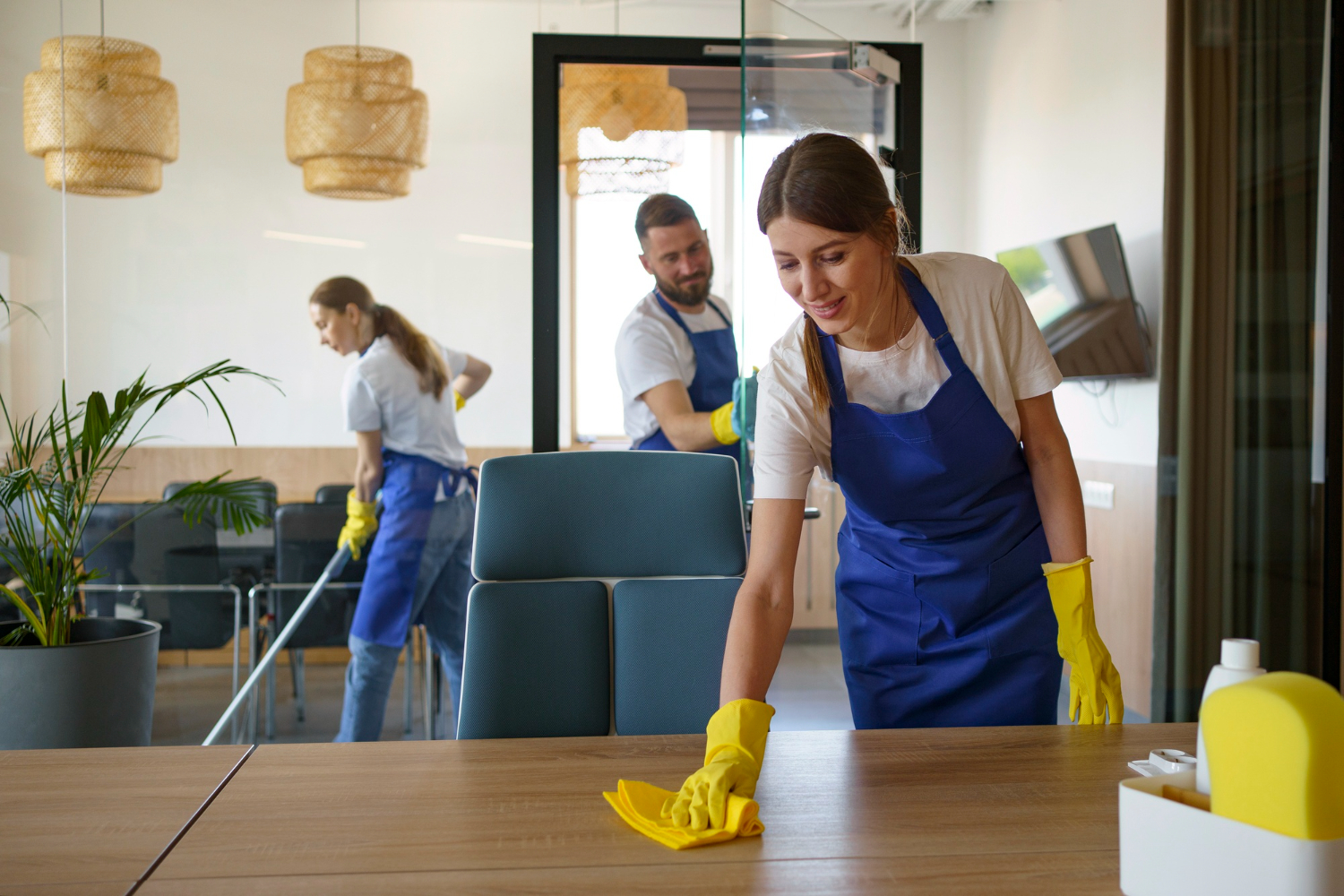
5 min read

Is Medical Office Sanitization More Important This Time of Year?

Is Medical Office Sanitization More Important This Time of Year?
8:36

Medical office sanitization matters all year, but this time of year feels different. February usually comes with crowded waiting rooms, more people coughing or sneezing, and less fresh air moving through indoor spaces. That puts more pressure on the people keeping those environments clean and safe.

Everyone who walks into these spaces expects them to look, feel, and smell clean. When illness is going around, those expectations only grow. A solid routine makes a big difference, not just in what people see, but in how well germs are kept in check throughout the day. People want to know that the staff is thinking ahead about their safety, not just responding to messes as they appear. That's why it’s important to stay consistent with daily cleaning, even when things get busy or unexpected.

Why Winter Months Bring Higher Germ Risks

Winter hangs onto germs longer than most people realize. Cold air outside sends everyone indoors where viruses spread faster. Even small areas can start to feel crowded when windows stay closed and HVAC systems are running full-time. Sometimes, these settings make it easier for germs to settle and collect on surfaces that might not get cleaned as often as they need to be during slower seasons.

  • Shared surfaces stay damp longer, especially in places with high foot traffic.
  • Less airflow means airborne germs settle onto desks, counters, and chairs more easily.
  • Many visitors show up sick or with mild symptoms that still carry germs.

Common touch points like front desk counters, door handles, and chairs all see nonstop contact during this season. In winter, surfaces don’t get much of a break. Surfaces that are used all day can still look fine but may hold the tiny particles that cause people to get sick if not properly cleaned throughout the day. The colder months also make everyone more likely to touch their face, rub their eyes, or handle objects after coughing or sneezing, which quietly passes germs along to others.

High-Touch Zones That Need Extra Attention

Some areas just get hit harder than others. Waiting rooms see constant movement, from patients to family members to healthcare workers. Even if the space looks tidy, certain surfaces pass germs along unless we’re cleaning them throughout the day. It’s not only about what’s visible; it’s about keeping up with those places where germs are most likely to spread.

  • Waiting room chairs and armrests collect a lot of contact, especially when rooms are full.
  • Check-in counters and pens, touchscreens, and clipboards get touched by nearly every person who walks in.
  • Elevator buttons and door handles are small spots with big consequences if skipped.
  • Restrooms, especially during illness season, require touchups between full cleans to stay safe.

We focus on high-touch areas more often than usual during February. The goal is to stay one step ahead of the germ spread while keeping everything moving smoothly around patient care. Wiping down these hotspots isn’t just a formality. It signals to everyone in the room that their health and safety are prioritized and that staff are mindful of busy periods when germs have more chances to hitch a ride from surface to surface.

These touch points might be cleaned several times a day, even when things feel calm, just to be sure no one slips through the cracks. Because every chair, table edge, and doorknob is a place where germs can wait, it’s always better to clean again rather than risk missing a spot. That extra attention makes all the difference when visitors are already on edge about illness.

Protecting Staff and Patients with Routine Cleaning

It’s not just about keeping patients safe. Staff move from room to room all day, and if cleaning slips at any point, they can easily carry germs without realizing it. Consistent breaks for quick wipe-downs and taking extra time for shared workspaces helps reduce this risk.

  • Breakrooms and staff desks get steady use and can become problem spots without routine attention.
  • Shared items like phones, keyboards, and counters need daily wipe-downs to lower risk.
  • Exam rooms may start off clean, but repeated visits throughout the day raise the chance of cross-contamination.

Regular cleaning keeps those spaces safer for everyone moving through them. It’s one of the simplest ways we can support staff while keeping patients comfortable during peak illness season. A reliable cleaning schedule helps staff spend more time focusing on patient care instead of chasing after spills, clutter, or other distractions. The assurance that high-touch staff spaces are disinfected regularly leads to fewer unplanned issues, like running out of supplies or finding a mess that takes much longer to handle because it’s been left unchecked.

By sticking to a consistent schedule, workers know what to expect and where they can rely on a clean, safe place to eat lunch, take notes, or check patients' charts. Everyone in the office feels more confident when cleaning is routine and predictable rather than left up to chance or emergencies.

Why Professional Oversight Makes a Difference

There’s a big difference between a quick clean and a reliable routine. Especially when sick visits pick up, it helps to have someone looking across the full picture to make sure nothing’s being skipped. That’s where oversight plays a big role. Professional oversight ensures no step is forgotten, and every critical area gets the attention it needs, even as needs change from hour to hour on a busy day.

  • Cleaning routines that follow medical guidelines hold up better during heavy volume days.
  • Professional teams help backfill staff and keep sanitization steady through tough schedules and unexpected sick calls.
  • Having a plan in place means we’re not scrambling when things go sideways. The routine is strong enough to carry the workload, even during long shifts or back-to-back appointments.

Cleaning Services Group, Inc. serves medical locations of all sizes with consistent oversight, daily logs, and communication protocols built around patient safety and operational compliance. Our teams assist with daily updates, routine checklists, and proactive supply restocking to help practices stay ready during high season demand.

Patients trust the environment they're walking into. That trust builds when every part of the space, from the door handle to the exam chair, feels clean every time. When professionals manage the routines and provide regular communication, it takes the pressure off in-house teams, leaving more time for quality care. Leaders can review logs, check schedules, and confirm that critical safety protocols are being followed every day without question. This ongoing support isn't just about cleaning, it's about giving peace of mind to everyone who steps inside the facility.

Staying Ahead of Seasonal Germs Pays Off

February doesn’t have to be a losing battle against coughs, sneezes, and leftover cold weather. When we keep cleaning efforts focused around where people move, sit, and touch, we stop some of that germ spread in its tracks.

That kind of consistency helps everyone, patients, staff, and visitors, feel a little more at ease walking through the doors. A clean space signals care and attention even before anyone says a word. And when we handle the day-to-day details, medical workers can focus on the people who need them most.

Seasonal germs may hit hard this month, but with smart, steady cleaning routines, the risks don’t have to take over. We just stay ready, stay moving, and keep our eyes on the areas that matter most. That’s how we help make winter feel a little safer, one day at a time.

We understand how quickly things can change during cold and flu season, especially in environments where maintaining a clean and safe space is important. By staying consistent with cleaning routines, we can help stop germs before they spread and make a noticeable impact on the well-being of both patients and staff. When your team is stretched thin, our services can support your focus on high-touch areas that require the most attention throughout the day. Our approach to medical office sanitization is designed to be flexible, making sure your facility is always prepared. Contact Cleaning Services Group, Inc. today to discuss how we can support your cleaning needs.

What to Expect From Commercial Cleaning Services in February

What to Expect From Commercial Cleaning Services in February

February tends to bring a messy mix of winter weather and early hints of spring. Some days feel mild, while others bring snow, ice, or lots of slush....
Read More
Fitness Center Cleaning Tips That Help in Dry Indoor Months

Fitness Center Cleaning Tips That Help in Dry Indoor Months

Cold weather often means packed gyms and dry air. Once winter hits, most people head indoors to stay on track with their workouts, and fitness...

Read More
Facility Management Services That Protect Buildings in Cold Months

Facility Management Services That Protect Buildings in Cold Months

When cold weather rolls in, buildings need more attention to stay safe and comfortable. From frozen pipes to slippery sidewalks, winter can bring a...

Read More