


Rethinking Fitness Center Cleaning as Part of Member Retention
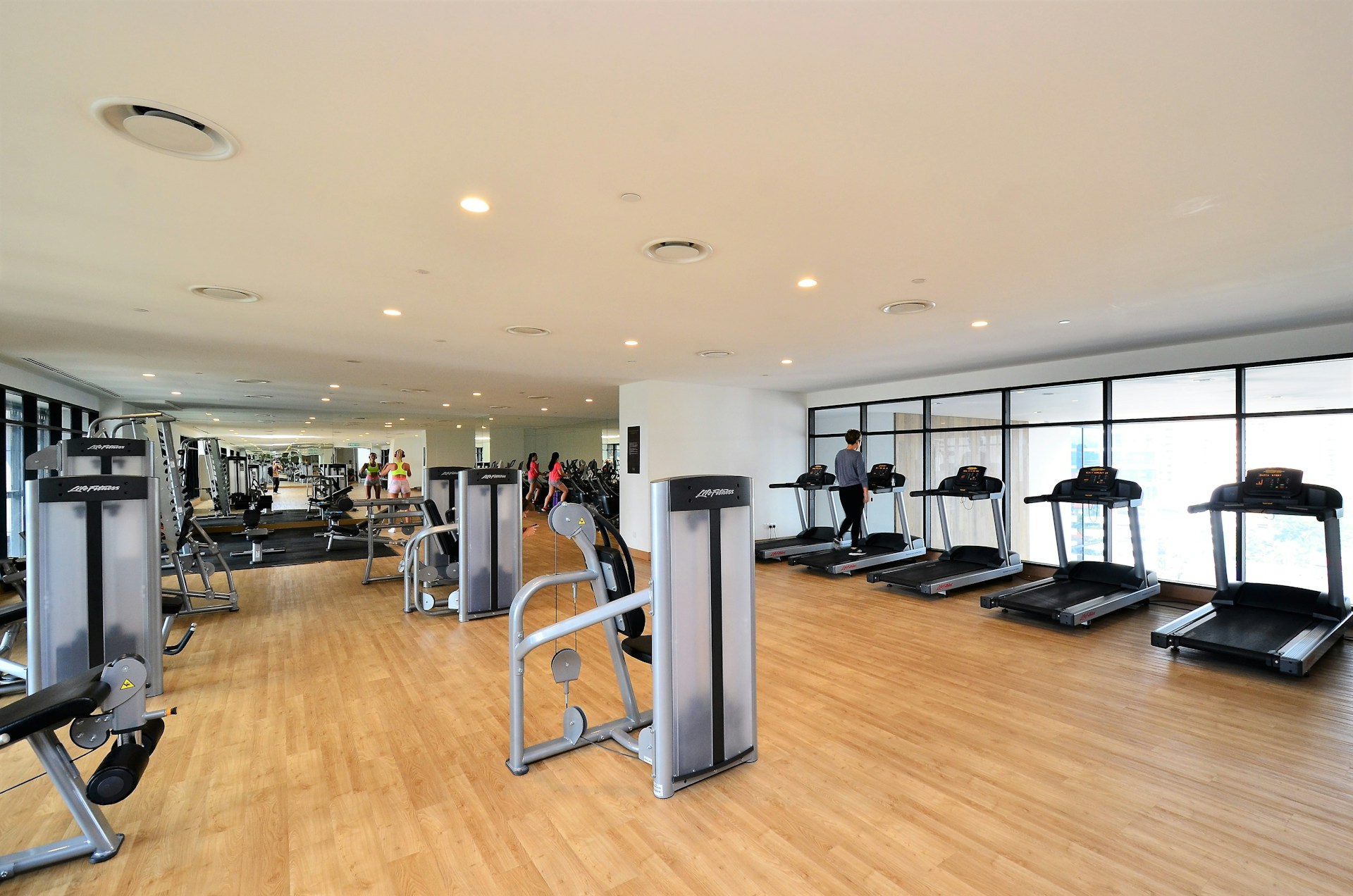
Clean Facilities, Loyal Members: The Hidden Connection A member walks into a fitness center and is hit with one of two feelings. In one club, the air...
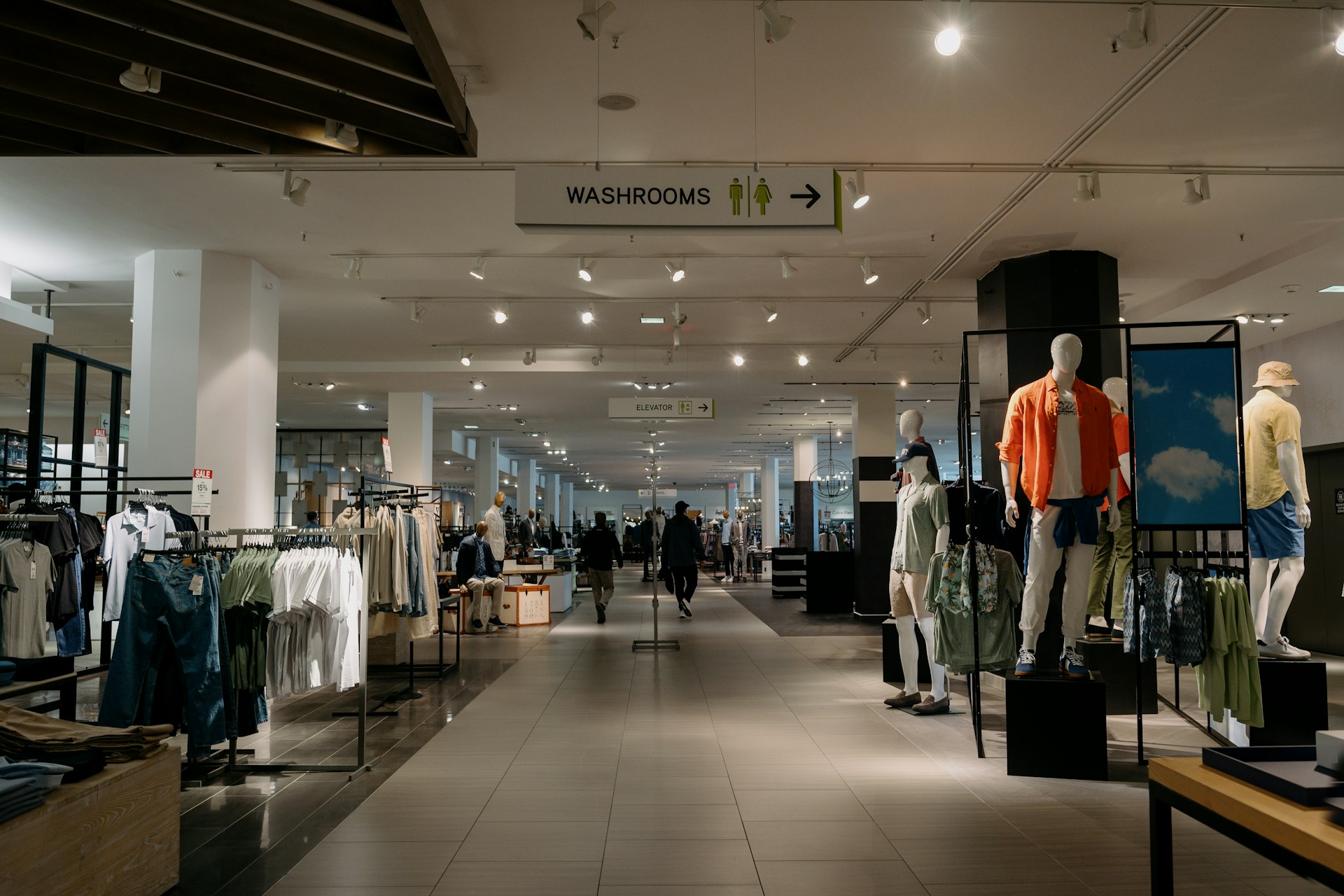
Clean stores are now a basic expectation, not a bonus. Shoppers notice floors, restrooms, carts, and air quality the moment they walk in. At the same time, retail teams are dealing with tight margins, labor shortages, and stricter health and safety rules across dozens or even hundreds of locations.
For multi-site grocery, retail, and big-box brands, the old overnight mop-and-bucket model is not enough. Cleaning has to work like the rest of your operations: planned, consistent, and backed by data. In this article, we will look at why traditional commercial cleaning crews fall short for multi-site retailers and how a new, portfolio-wide approach can support brand standards, store teams, and customers.
Every store in your network tells a slightly different story. A high-traffic urban grocery store has different cleaning risks than a quiet suburban apparel location. A distribution-adjacent site has very different needs than a small-format shop in a strip center.
When all those locations get the same basic cleaning plan, problems show up fast:
Traffic patterns change by store and by season
Risk levels vary by department and layout
Local health expectations and inspector focus are not always the same
That is why a single, generic scope across every store does not hold up. Cleaning needs to be seen as:
A strategic program tied to brand standards
A health and safety support system for staff and shoppers
A flexible operational tool that can scale with demand
As a national provider focused on multi-site clients, we see the most success when cleaning is treated like any other core store process, built around clear expectations and real feedback from the field.
Many retailers still use a legacy setup where each store has its own cleaner or small local vendor. On paper, that can feel flexible. In practice, it often creates a patchwork of different standards and very little big-picture control.
Common pain points include:
Quality that changes from store to store
No consistent inspection process or reports
Confusion about who is responsible for what areas
Little insight into what commercial cleaning crews actually completed each night
This store-by-store model can affect the brand in real ways. One location that looks dirty in photos can spread fast online. A restroom that is not kept up can push shoppers to leave sooner and spend less time in the building. When every store negotiates on its own, it is also harder for facilities leaders to:
Set realistic expectations across all sites
Plan labor around seasonal surges or special events
Roll out new cleaning standards quickly when risks change
Cleaning becomes a set of disconnected tasks instead of a program that supports the whole retail network.
A better approach starts with centralizing strategy while keeping room for local needs. Instead of each store building its own plan, the portfolio or region sets a shared framework, then adjusts by store type.
Key steps include:
Standardized scopes of work with clear daily, weekly, and monthly tasks
Performance benchmarks tied to inspection scores and incident trends
Defined communication paths between corporate teams, field leaders, and cleaning supervisors
From there, commercial cleaning crews can be right-sized based on:
Format: grocery, big-box, specialty, or small-format retail
Traffic: steady daily flow, weekend spikes, or heavy event-driven traffic
Hours: 24/7 operations, late-night, or daytime only
Store role: flagship location, high-velocity seasonal site, or support store
Staffing templates help bring this to life, such as:
Day porters focused on restrooms, carts, entrances, and quick response
Overnight teams focused on floors, stockrooms, and detail work
Scheduled specialty crews for floors, high dusting, or equipment-adjacent areas
When commercial cleaning crews receive consistent training on safety, infection prevention, floor care, and brand-specific rules, quality tends to level up across the board. At Cleaning Services Group, Inc., we design and deploy crews with that mix in mind, matching corporate expectations while giving each store the support it needs.
Retail demand is never flat. Spring resets, summer travel, pollen, back-to-school, and year-end promotions all change how customers move through your buildings. Cleaning needs to flex with those patterns.
A data-informed scheduling approach looks at:
Store traffic data and sales trends
Planned promotional events and resets
Regional weather and pollen activity
Local factors, like tourism or stadium events
With this information, commercial cleaning crews can be scheduled to:
Increase front-of-house detailing on peak weekends
Add restroom and cart checks during major promotions
Perform deep cleans of stockrooms and back-of-house between seasonal transitions
Tackle floor recovery after storms or messy weather days
Centralized scheduling tools and clear KPIs give corporate facilities teams real-time visibility into coverage. Instead of guessing if a store has enough support for a big event or seasonal rush, you can see the plan, adjust staffing, and confirm work completion across the portfolio.
Modern retail spaces need much more than nightly sweeping and trash removal. Multi-site retailers often require specialty and technical services, such as:
Targeted disinfection for high-touch and high-risk zones
High-dusting in tall ceilings and hard-to-reach areas
Escalator, cart, and equipment cleaning
Specialty floor care for resilient and polished concrete surfaces
Refrigeration-adjacent cleaning in grocery environments
Trying to manage a different niche vendor for each of these needs can lead to:
Extra admin work for store and facilities teams
Different quality levels at each location
Gaps in safety and compliance oversight
When specialty services are integrated with general janitorial under one provider, it is easier to:
Keep standards consistent across the chain
Deploy specialized crews quickly when needed, such as post-construction or after an incident
Maintain a single set of operating rules and safety expectations for all crews
At Cleaning Services Group, Inc., we support multi-site clients by bringing these specialty capabilities under one umbrella so stores do not have to juggle multiple vendors for different tasks.
Cleanliness is one of the first things shoppers notice, and it heavily shapes how they feel about your brand. It affects how long customers stay in the store, how comfortable employees feel at work, and how often health or safety issues show up.
To move cleaning from background chore to brand asset, multi-site retailers can track metrics such as:
Store inspection scores over time
Work completion rates against the scope of work
Incident trends tied to slips, trips, or sanitation complaints
Customer feedback related to cleanliness
Compliance with health and safety guidelines
Clear reporting is key. Standardized checklists, digital logs, and regular audits make it possible to look across hundreds of locations and see which stores are strong, which need support, and where to focus training. Our teams at Cleaning Services Group, Inc. build these reporting practices into daily work so facilities leaders can drive continuous improvement instead of reacting to problems after they happen.
A future-ready cleaning strategy is not just about more labor. It is about smarter design, better data, and crews that are built to support your brand at scale, store after store.
If you are ready for a reliable, professional team to keep your facility consistently clean and safe, we are here to help. At Cleaning Services Group, Inc., our trained commercial cleaning crews are equipped to handle the unique demands of your workspace. We will work with you to design a schedule and service plan that fits your operations and budget. Reach out today so we can discuss your needs and put a customized cleaning program in place.
Clean Facilities, Loyal Members: The Hidden Connection A member walks into a fitness center and is hit with one of two feelings. In one club, the air...
Turn Summer Tourist Traffic Into Retail Profit Summer tourist season can be a gift for retail. More people in town often means fuller carts, longer...
Fall brings more than cooler air and changing leaves. For retail stores, it marks the start of a nonstop season packed with back-to-school shopping,...