



Evaluating Commercial Cleaning Crews for 24-7 Distribution Centers
Why 24-7 Distribution Centers Need Elite Cleaning Crews Distribution centers that run 24-7 never truly stop. People, pallets, lift trucks, and...
4 min read
CSG
7/26/26 5:00 PM
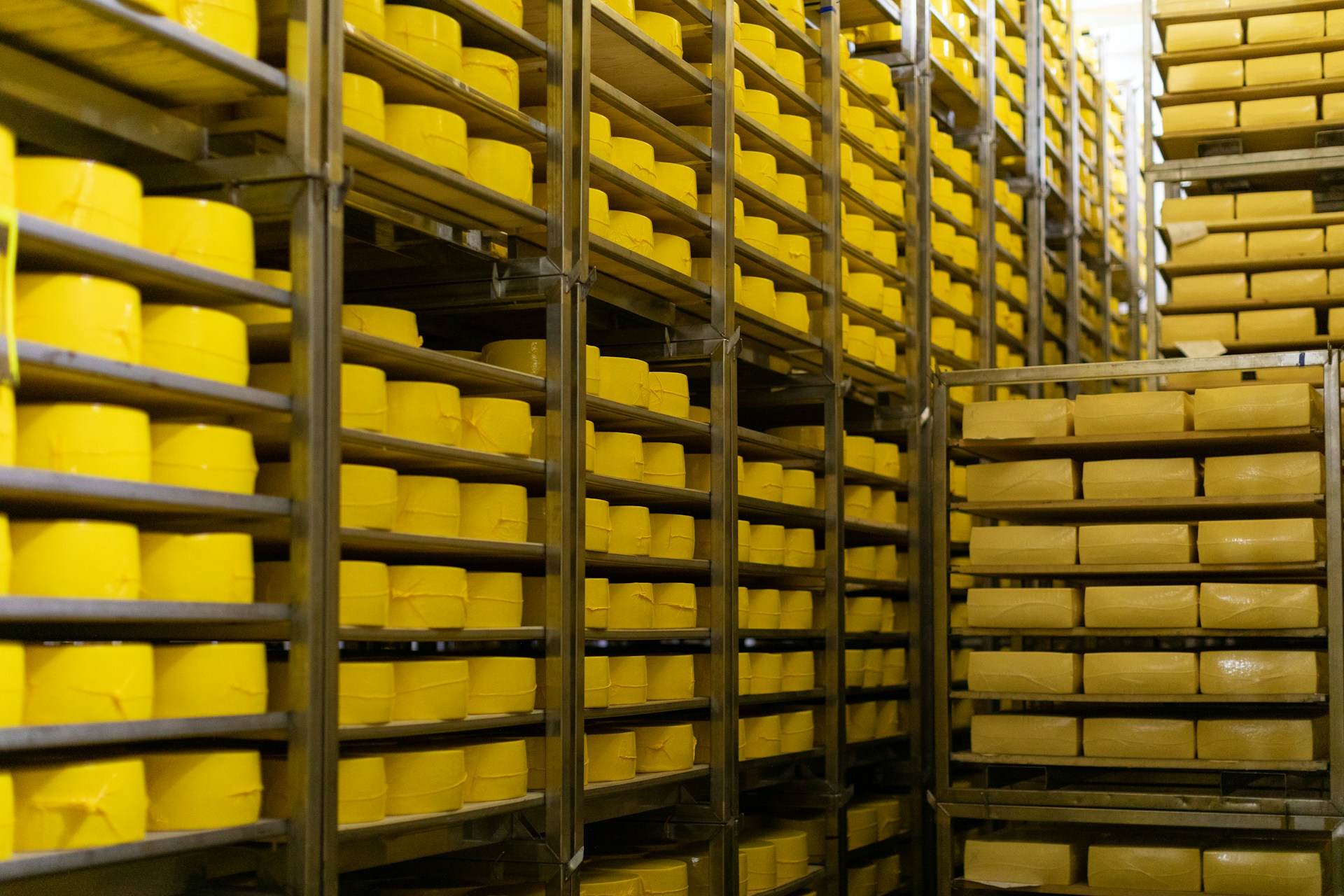
Food storage warehouses have a direct impact on food safety, even if no actual processing happens on site. Dust, pests, and allergens can all move through a warehouse and end up on packaging, in open product, or on equipment and racks. That means higher risk of contamination, shorter shelf life, and more customer complaints. Once a problem is traced back to a warehouse, brand trust is hard to rebuild.
Hot summer months, especially from July through September, make things even tougher. Higher temperatures and humidity tend to increase pest activity, speed up microbial growth on food residues, and keep fine dust and particles floating longer in the air. In high-volume storage zones, with constant traffic and fast turns, these pressures add up quickly.
This is where professional warehouse cleaning services become a key control, not just a nice-to-have. A specialized cleaning program that fits food storage needs can support FSMA and GFSI expectations, help prepare for customer audits, and keep your operation safer and more stable over time.
Not every square foot of a warehouse carries the same risk. Focusing on the right areas helps stop problems before they move deeper into storage.
High-risk zones often include:
These locations tend to collect food spills, packaging debris, and foot and wheel traffic residue. Airflows from dock doors, fans, and HVAC can push dust and allergen particles into areas that were meant to stay clean. Forklifts and pallet jacks throw up fine dust and move crumbs and pests from one end of the building to the other. Conveyor systems can shake loose product and send it drifting into nearby aisles.
To get ahead of this, we like to start with a structured facility assessment. That often includes:
When we put eyes on the building together, it becomes much easier to set cleaning priorities that match actual risk, not just square footage.
Food warehouses produce a lot of dust, even when everything seems clean at a glance. Common dust sources include:
In high-bay areas, this dust settles on beams, rafters, sprinkler lines, conduit, and the tops of racks. Over time, vibration and airflow knock it loose so it drifts down onto pallets and product. If no one owns those overhead zones, you end up with visible buildup that auditors do not like to see.
Best practices for high-bay cleaning usually include:
A documented dust-control program makes a big difference at audit time. That program often covers:
When dust control is written, followed, and logged, it is easier to show auditors that you are actively managing foreign material risk, not just reacting when someone complains.
Pests are drawn to food, moisture, and shelter. Any sanitation gaps in a warehouse give them exactly what they want. Common problem spots include:
In hot weather, pest activity tends to increase, and small issues get out of hand faster. Rodents can enter through dock levelers and gaps, birds can nest in uncovered rafters, and insects can breed around drains or damp mops.
Cleaning and pest control work best when they support each other. An integrated approach often focuses on:
The most effective programs keep your pest-control provider and your warehouse cleaning services team in close contact. When pest monitoring devices show increased activity in a certain dock or aisle, cleaning frequencies and targets in that zone can be adjusted. That way, you are not guessing where to focus your sanitation effort.
Many food warehouses store a mix of allergen and non-allergen products. That mix can include items with peanuts, tree nuts, dairy, soy, eggs, wheat, or other major allergens. When these SKUs share racks, staging areas, or repack zones, the risk of allergen cross-contact goes up.
Allergens can move through:
To reduce risk, some key controls include:
Auditors are paying more attention to warehouse allergen controls, not just what happens in production. Written procedures for allergen sanitation in storage, staging, and repack areas are becoming a standard expectation. An experienced warehouse cleaning partner can help build and document those methods so they match your allergen program and your customers’ requirements.
Translating FSMA, SQF, and BRCGS expectations into daily work on the floor can feel hard at first. The goal is a master cleaning schedule that people can actually follow, with clear tasks, owners, and frequencies.
A solid warehouse-focused schedule usually includes:
For multi-site operations, consistency is just as important as thoroughness. Partnering with a national warehouse cleaning services provider helps standardize cleaning scopes, chemicals, and methods across locations, while still allowing for local tweaks. It also makes it easier to flex up service during seasonal inventory peaks, when more product and more traffic put extra pressure on your sanitation program.
At Cleaning Services Group, Inc., we focus on commercial janitorial, facility maintenance, and specialty cleaning for multi-site operations, including food storage, grocery, and distribution environments. By aligning cleaning tasks with your food-safety plans and audit expectations, a warehouse cleaning program can shift from being a scramble before inspections to a steady, reliable part of how you protect product every day.
If you are ready to improve safety, cleanliness, and efficiency in your facility, we are here to help. At Cleaning Services Group, Inc., our team tailors warehouse cleaning services to fit your operational schedule and compliance needs. We work with you to create a dependable plan that keeps your space inspection-ready and supports your production goals. Reach out today so we can discuss your facility and outline a clear path forward for your cleaning program.
Why 24-7 Distribution Centers Need Elite Cleaning Crews Distribution centers that run 24-7 never truly stop. People, pallets, lift trucks, and...
December is one of the busiest times of year for commercial buildings. Between holiday traffic, cold weather, and year-end tasks, spaces get used...
Turn Retail Cleaning Into a Consistent Brand Asset Clean stores sell more, keep customers longer, and protect your reputation. When one location...