



5 min read

Creating Reliable Commercial Cleaning Crews Across Shifts

Creating Reliable Commercial Cleaning Crews Across Shifts

Build Dependable Cleaning Crews That Keep Every Shift Covered

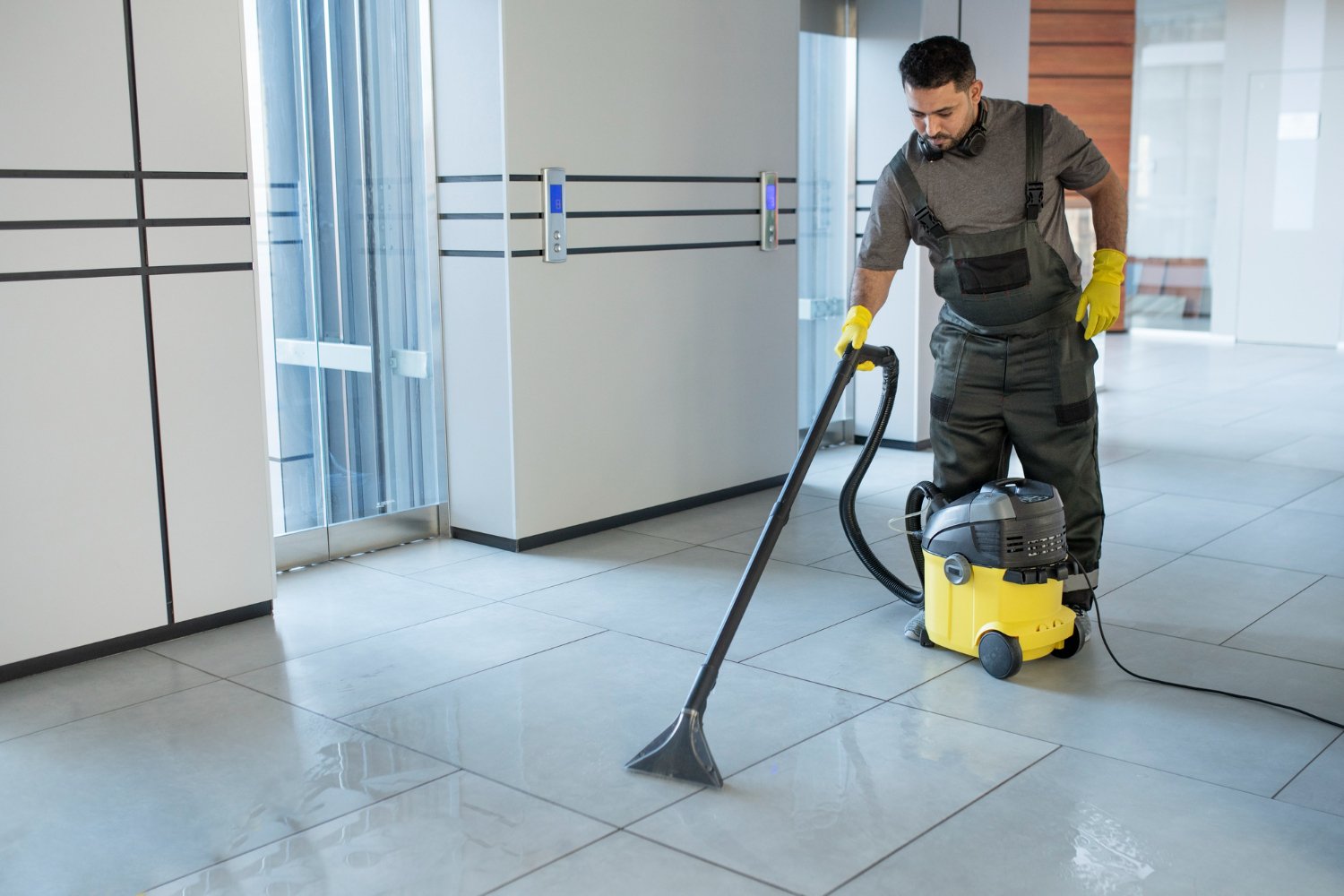
Reliable commercial cleaning crews do more than keep floors shiny. They protect your brand, support safety, and help keep your operation running without surprise shutdowns or complaints. When one shift drops the ball, the next shift starts behind, and small misses can turn into big problems fast.

This pressure grows for multi-site commercial, retail, healthcare, industrial, and distribution facilities. Day, evening, and overnight crews all face different demands, but they must hit the same standards. That is where clear systems, consistent training, and strong supervision make the difference.

At Cleaning Services Group, Inc., we focus on building dependable cleaning teams across locations and across shifts. Below, we share how to structure shifts, hire and train for reliability, put technology and KPIs to work, and gain stability through the right cleaning partner.

Design Shift Structures That Actually Work

A strong cleaning program starts with shift design that matches how your buildings really run. Different facility types have different patterns, and cleaning must follow those rhythms instead of fighting them.

For example:

  • Retail and grocery see heavy traffic in afternoons and evenings, with restrooms and entrances needing frequent touchups.

  • Healthcare spaces need steady cleaning all day around patients and staff, plus detailed disinfection when traffic is lighter.

  • Industrial and distribution facilities often tie cleaning to production, shipping, and maintenance windows.

Layered coverage helps keep every hour covered without burning people out. In practice, this usually means combining a consistent “base” team with built-in flexibility and better handoffs so tasks do not fall through the cracks between shifts. A layered approach often includes:

  • Core crews that own the main daily tasks on each shift

  • Flex staff that float between areas or locations when volume spikes

  • Staggered start times so busy zones are never left uncovered

  • Short overlap windows for shift handoffs and walk-throughs

Seasonal surges add another layer. As spring turns into summer, many facilities see more activity, more movement of goods, and more project work that can compete with routine cleaning if it is not planned for. Common seasonal drivers include:

  • More shoppers and guests

  • Extra shipments and inventory work

  • Construction, remodeling, or floor work

  • Deep cleaning or project-based needs

Planning ahead with temporary crew expansion, extended hours, or special project shifts keeps regular work on track while big seasonal tasks get done. For multi-site organizations, it also helps to start with standard shift templates and then adjust to the realities of each building so leaders can manage one playbook without forcing a one-size-fits-all schedule. Those site-specific adjustments commonly account for:

  • Square footage

  • Traffic and business hours

  • Regulatory and compliance rules

This gives leaders one playbook to manage, while each building still gets what it needs.

Hire and Retain Reliable Commercial Cleaning Crews

Strong shift coverage depends on the people filling those slots. Hiring for reliability, not just availability, pays off in fewer gaps and stronger results.

When we recruit, we look for a set of reliability signals that reduce the odds of call-offs and inconsistent work. Those signals include:

  • Steady attendance history

  • Comfort with off-hour or overnight work

  • Basic safety awareness

  • Willingness to follow consistent procedures

Each shift should also have its own “why this works for you” message, because what attracts and keeps a strong day-shift employee is not always what motivates an evening or overnight team member. For example:

  • Day shift: stable schedule, regular contact with onsite staff, better access to managers and support

  • Evening shift: more flexibility, easier commute, less direct public interaction in many facilities

  • Overnight shift: shift differentials when available, quieter space, more independence and ownership

Once people are on the team, respect and recognition keep them there. Retention improves when schedules are predictable, expectations are clear, and employees can see a path to grow. Practical retention supports include:

  • Fair schedules and predictable hours

  • Clear expectations so no one feels set up to fail

  • Simple recognition programs that call out good work

  • Training paths that open doors to lead or supervisor roles

  • Regular feedback, not just when something goes wrong

Busy seasons can put extra strain on crews, especially when demand increases at the same time that vacations, weather, or competing job offers make staffing less stable. To avoid losing people right when you need them most, it helps to:

  • Review schedules early and discuss upcoming peak periods

  • Hold quick “stay conversations” to see what might cause someone to leave

  • Offer short-term incentives tied to key dates or projects

Keeping trusted cleaners through your busiest months is often less stressful than trying to replace them on short notice.

Train Crews to Deliver Consistent Results on Every Shift

Even the best people need a clear system. Consistent results across day, evening, and overnight start with standard cleaning methods and checklists.

We build clear, step-by-step processes that match each facility type, because the definition of “clean” and the highest-risk areas change based on the environment. For example:

  • Healthcare: high-touch disinfection, isolation room rules, closer attention to infection prevention

  • Retail: front-of-house appearance, restrooms, entrances, fitting rooms, break areas

  • Industrial and distribution: production debris, loading dock areas, locker rooms, equipment adjacency

Hands-on and scenario-based training helps crews handle real-world situations, not just ideal conditions. That training prepares teams to work effectively even when areas are occupied, equipment is moving, or staffing is leaner than usual. Scenarios often include:

  • Cleaning while patients, shoppers, or staff move through the area

  • Working around production lines or forklifts on a busy second shift

  • Completing high-risk tasks, like work near heavy machinery, during overnight hours when fewer people are around

Safety and infection prevention must be front and center for every shift. Training should cover:

  • Chemical handling and mixing

  • PPE selection and use

  • OSHA rules that apply to the work

  • Proper use and care of equipment

Accountability tools keep quality steady when managers are not on-site. The goal is to make expectations visible and performance easy to confirm, so problems are caught early instead of being discovered after complaints. Helpful practices include:

  • Sign-off logs for zones and tasks

  • Before-and-after photos for periodic or specialty work

  • Random quality checks, with simple scoring and follow-up

  • Clear communication back to crews so they see how they are doing

Over time, this builds pride, consistency, and trust between shifts.

Use Technology and KPIs to Keep Crews on Track

Good systems are hard to manage on paper alone, especially with multiple locations. Simple technology can prevent coverage gaps and keep quality from slipping.

Digital scheduling and time tracking help by creating real-time visibility and a clear record of who is on-site and when, which is especially useful for overnight and weekend shifts. These tools help:

  • Cut down on no-shows

  • Make it easier to fill last-minute holes

  • Give managers a real-time view of who is on-site

  • Provide a clear record of attendance, especially for overnight and weekend shifts

To understand how well your commercial cleaning crews are performing, it helps to track a few focused KPIs. Rather than measuring everything, a tight set of metrics makes it easier to spot problems quickly and take action. Useful KPIs include:

  • Task completion against plan

  • Inspection scores by area and shift

  • Response time for spills, restrooms, or special requests

  • Complaint patterns by time of day and location

Inspection and reporting apps give leaders a clear look at what is happening. With photos, notes, and scoring in one place, it is easier to:

  • • Compare sites

  • • Spot recurring problems

  • • Assign and track follow-up work

The real power comes from acting on that data. If you see trends in absenteeism, repeat quality issues, or more incidents during certain times, you can:

  • Adjust staffing levels or shift times

  • Provide targeted retraining

  • Shift resources during high-demand periods like late spring and summer

This turns basic reporting into steady improvement instead of just paperwork.

Partner with Experts to Stabilize Every Shift

Some facilities reach a point where internal teams alone cannot keep up. Signs you may need a professional partner include:

  • Frequent coverage gaps on certain shifts or at remote sites

  • Big differences in results between day and night crews

  • Growing concerns about safety, cleanliness, or compliance

  • Rapid expansion of your footprint without matching support

A national provider like Cleaning Services Group, Inc. can help fill those gaps. With access to wider talent pools, structured processes, and experience across commercial, retail, healthcare, industrial, and distribution environments, we can move quickly when demand spikes or when emergencies hit.

To make a partnership work, clear expectations and communication are key. That usually means:

  • Defined service levels and scope of work for each shift and site

  • Agreed reporting routines, including inspections and KPIs

  • Simple contact paths for questions, changes, or escalations

Over time, the right partner helps support more than daily janitorial tasks. They can also assist with:

  • Specialty cleaning projects

  • Support for preventive maintenance plans

  • Planning for seasonal peaks and long-term growth across your network

By aligning people, process, and technology, you can build commercial cleaning crews that show up, do the work right, and keep your facilities ready for whatever the next shift brings.

Get Started With Expert Commercial Cleaning Crews Today

When you are ready to upgrade the cleanliness, safety, and appearance of your facility, our team at Cleaning Services Group, Inc. is here to help. Explore how our dedicated commercial cleaning crews can be tailored to your schedule, budget, and industry requirements. We will work with you to build a detailed cleaning plan that keeps your spaces consistently ready for staff and visitors. Reach out today to discuss your needs and schedule your first service.

What Commercial Cleaning Crews Focus on for December Turnover

What Commercial Cleaning Crews Focus on for December Turnover

December is one of the busiest times of year for commercial buildings. Between holiday traffic, cold weather, and year-end tasks, spaces get used...

Read More
What Facility Managers Miss About Commercial Cleaning Crews

What Facility Managers Miss About Commercial Cleaning Crews

What Facility Managers Miss About Commercial Cleaning Crews Commercial cleaning crews are often seen as a basic cost of doing business, something...

Read More
How to Onboard and Standardize Cleaning Crews Across Multi-Site Facilities

How to Onboard and Standardize Cleaning Crews Across Multi-Site Facilities

Why Multi-Site Cleaning Often Feels Harder Than It Should Keeping one building clean is hard enough. Keeping dozens or hundreds of locations at the...

Read More