



What Makes a Commercial Cleaning Company Dependable This Season
As the end of the year nears, many businesses feel the shift. Late fall doesn’t just mean cooler weather. It’s the season when schedules speed up,...
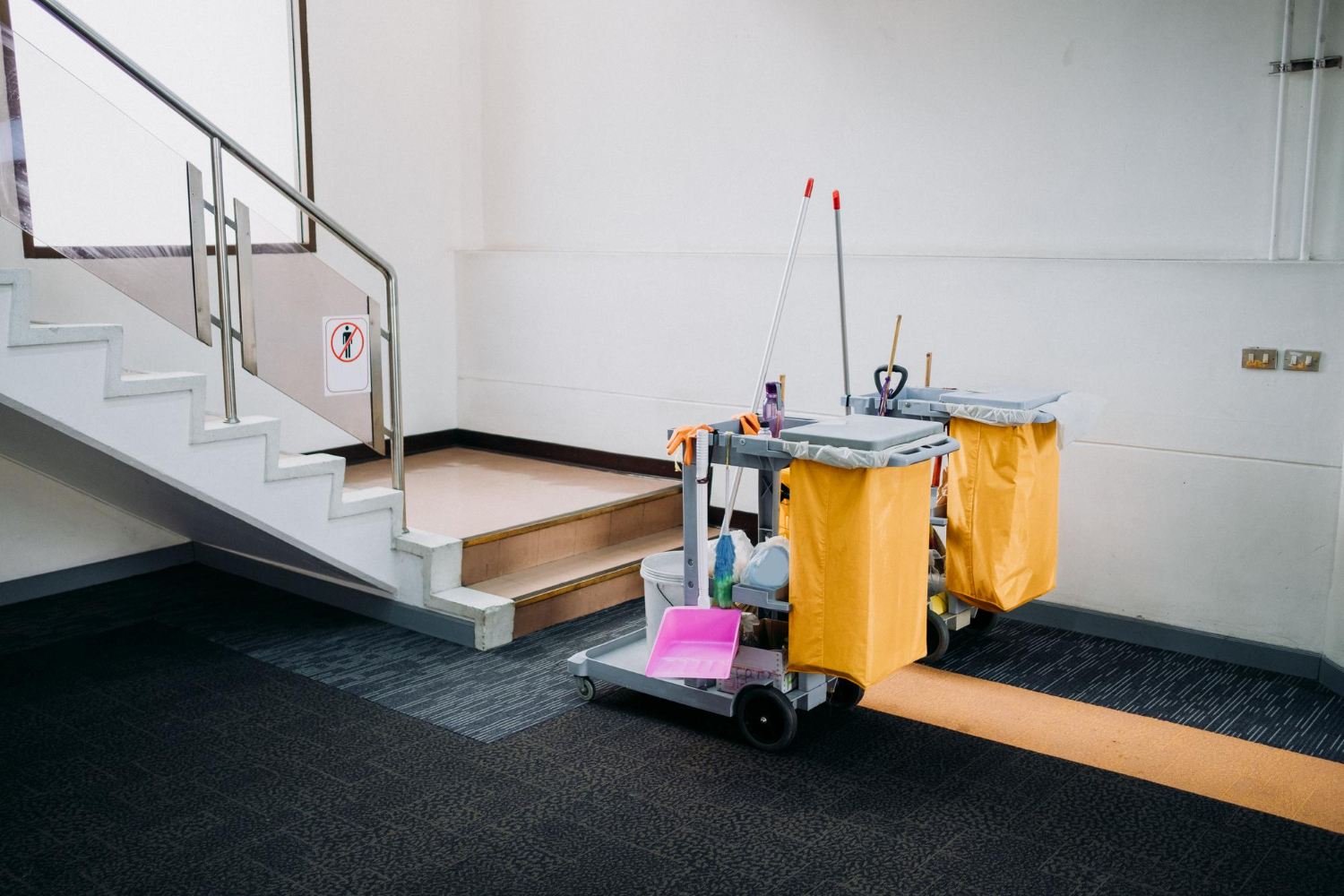
Commercial cleaning crews are often seen as a basic cost of doing business, something that just has to get done to keep the doors open. For facility managers, it can be easy to think of them as background support instead of a key part of operations. When that happens, a lot of value is left on the table.
At Cleaning Services Group Inc., we work with multi-site operations across retail, grocery, healthcare, fitness, and distribution. We see every day how the right cleaning partner can protect people, support compliance, and keep locations ready for business. When you start looking at your commercial cleaning crews through that lens, your entire facility strategy shifts.
Your cleaning team does a lot more than empty trash and mop floors. They are often the first and last people in your building each day, and they see risk before it shows up on a report.
A good commercial cleaning crew helps you manage risk by:
Spotting slip and trip hazards like wet entries, loose mats, or cluttered walkways
Keeping exits, stairs, and fire routes clear of product, carts, or debris
Reporting biohazards in restrooms or clinics before they spread
Noticing leaks or spills that could turn into safety or mold issues
When spring rain hits or pollen is high, your floors, mats, and HVAC filters see a lot more dirt, moisture, and debris. If cleaning is treated like a simple commodity, that extra load often gets missed. The result can be more slip-and-fall incidents near entrances and more complaints about air quality or odors.
When you treat your cleaning crews as part of your risk management plan, you start to ask different questions: What are they seeing at opening and closing? How do they report hazards? How quickly can they respond during peak traffic? That mindset alone can lower incident rates and protect your brand.
Wiping a counter or mopping a floor looks simple, but behind that task is a lot of technical decision-making. The wrong chemical or process can damage surfaces, fail to disinfect, or create unsafe conditions for staff and guests.
High-performing commercial cleaning crews understand:
Which chemicals are safe for different surfaces, from stainless steel to vinyl floors
Proper dwell times so disinfectants actually work instead of being wiped up too soon
How to avoid cross-contamination between restrooms, clinics, and food areas
What should never be mixed or sprayed near open food or medical supplies
In healthcare, grocery, and fitness settings, this knowledge is especially important. Crews are trained on OSHA standards, bloodborne pathogens, and how to handle sharps or biohazard materials. In pharmacies, clinics, and food prep zones, they follow specific steps so cleaning supports your regulatory requirements.
There is also a lot of planning behind what looks like a simple nightly clean. Crews often work from zoning maps and time-based routes:
High-traffic areas scheduled when customers are gone
Machine work on floors timed around stocking, deliveries, or workouts
Restroom resets planned between rushes
Trash pulls and recycling aligned with back-of-house operations
When facility managers underestimate that planning, they may shorten cleaning windows or overload crews. Over time, that leads to missed details, more complaints, and higher wear on finishes and fixtures.
Most facility managers see what customers see: floors, restrooms, fixtures, and front-of-house surfaces. The real test of commercial cleaning quality often sits above eye level or behind equipment.
Dust, grime, and debris tend to collect in places like:
Ceilings, rafters, and high ledges
Vents and HVAC returns
Tops of coolers and cases
Under gondolas and around floor joints
Loading docks and back hallways
Left alone, these areas can feed dust back into your HVAC system, drag down indoor air quality, and make your filters work harder. In grocery and distribution spaces, buildup around coolers and equipment can even affect performance and lifespan.
That is where scheduled deep cleaning and specialty services come in, such as:
High dusting of rafters, vents, and overhead piping
Floor restoration programs for tile, concrete, and specialty finishes
Restroom overhauls that go beyond daily wipe-downs
Detail cleaning behind and under heavy equipment.
Spring is a natural time to reset, especially before summer traffic ramps up in retail, grocery, fitness, and distribution hubs. A Q2 deep cleaning program helps you enter your busy season with clean, efficient spaces instead of compounding months of buildup.
“Looks clean to me” is not a reliable standard for a multi-site portfolio. Modern commercial cleaning is shifting to objective data and frequent reporting, so facility managers can see performance across every location.
Stronger programs are built around:
Digital inspections with photos and scored checklists
Standardized KPIs that can be compared between locations
Time tracking to confirm crews are on schedule and on site
Incident reports tied to specific shifts or service windows
For regional and national brands, this kind of structure matters. Standard checklists and scoring give you a way to benchmark stores, clubs, clinics, or warehouses. You can see which locations are performing well, which are at risk, and where you might need extra support before small issues become big ones.
Providers like Cleaning Services Group Inc. use technology tools to align day-to-day cleaning outputs with your service-level expectations and compliance needs. That helps facility teams make decisions based on data instead of complaints alone.
Your commercial cleaning crews are in your buildings at times when most people are not. That makes them a powerful early warning system, if you let them be.
They often see:
Slow leaks under sinks, coolers, or ceiling panels
Early signs of pest activity in storage or back rooms
Doors or windows left unsecured after closing
Unusual noise or vibration from equipment
To get the benefit of that visibility, you need clear communication channels. That usually means:
A single point of contact who knows your standards and quirks
Simple escalation paths for urgent issues like leaks or safety risks
Shared logs or notes so patterns can be tracked across shifts and seasons
It also helps to share your operational calendar. When your cleaning partner knows about grand openings, remodels, seasonal sets, or upcoming audits, they can adjust staffing and shift focus to help you put your best foot forward.
When facility managers treat commercial cleaning crews as a strategic partner instead of just a line item, everything changes. Risk drops, brand standards are easier to maintain, and operations run more smoothly across large footprints.
A practical way to start is to:
Walk key sites with your cleaning provider during spring
Map high-risk zones such as entries, restrooms, clinics, and loading docks
Review current routines and identify where deep cleaning or specialty work is needed
Align cleaning plans with Q2 and Q3 traffic patterns for your business
At Cleaning Services Group Inc., we support multi-site operations across retail, grocery, healthcare, fitness, and distribution by taking this broader view. When your commercial cleaning crews are trained, equipped, and treated as part of your risk and operations strategy, they stop being “just the people who clean” and become one of your strongest assets.
If you are ready for a more consistent, healthier workplace, our team at Cleaning Services Group, Inc. is here to help. Explore how our dedicated commercial cleaning crews can tailor a plan around your building’s exact needs and schedule. We will walk you through options, answer questions, and set clear expectations so your operations are never disrupted. Reach out to our team to discuss your facility and schedule your first service.
As the end of the year nears, many businesses feel the shift. Late fall doesn’t just mean cooler weather. It’s the season when schedules speed up,...

Medical office sanitization matters all year, but this time of year feels different. February usually comes with crowded waiting rooms, more people...
Winter in North Carolina can be unpredictable. Some years bring mild chill, while others drop quick cold snaps, freezing rain, or gusty windstorms....