


4 min read

Mitigating Cross-Contamination with Healthcare Facility Cleaning

Mitigating Cross-Contamination with Healthcare Facility Cleaning

Healthcare facility cleaning is one of the strongest tools you have to reduce cross-contamination. When people move through waiting rooms, exam spaces, and restrooms, they leave germs on almost every surface they touch. A smart cleaning program breaks that chain so those germs do not reach other patients, visitors, or staff.

In late spring and early summer, the risk often climbs. There are more allergy and respiratory problems, higher patient volumes, and extra visitors for school events and family trips. All of that means more contacts, more touch points, and more chances for germs to spread. Cross-contamination is what happens when those germs travel from one area, surface, or person to another, often by hands, shared equipment, or air movement. Cleaning in healthcare is not just about looking tidy or passing an inspection. It is a frontline infection-prevention strategy.

At Cleaning Services Group, Inc., we focus on commercial cleaning for complex, multi-site operations, including healthcare systems. We understand how important it is to keep the same high standard across hospitals, clinics, and support facilities in different locations.

Protecting Patients and Staff Through Smarter Cleaning

Cross-contamination in healthcare spaces can start with simple actions, like touching a bed rail and then a keyboard. Germs move through:

  • Hands and high-touch surfaces
  • Shared clinical tools and equipment
  • Soft surfaces like curtains and chairs
  • Airflow around vents, doors, and crowded areas

When late spring brings more pollen and respiratory issues, waiting rooms fill up, and people may cough or sneeze more often. Visitors come in and out for graduations and family gatherings. Without strong healthcare facility cleaning routines, pathogens can move quickly between rooms and departments.

Smarter cleaning means linking janitorial work to infection prevention goals. That includes clear cleaning sequences, the right disinfectants, and trained staff who know how their work protects patients and coworkers.

Where Cross-Contamination Hides in Healthcare Spaces

Germs do not only build up in obvious dirty spots. Many high-risk zones look clean at a glance. Key areas include:

  • Patient rooms and exam rooms
  • Procedure rooms and imaging suites
  • Nurses stations and registration desks
  • Public and staff restrooms
  • Labs and medication prep areas

There are also many easy-to-miss hotspots, such as:

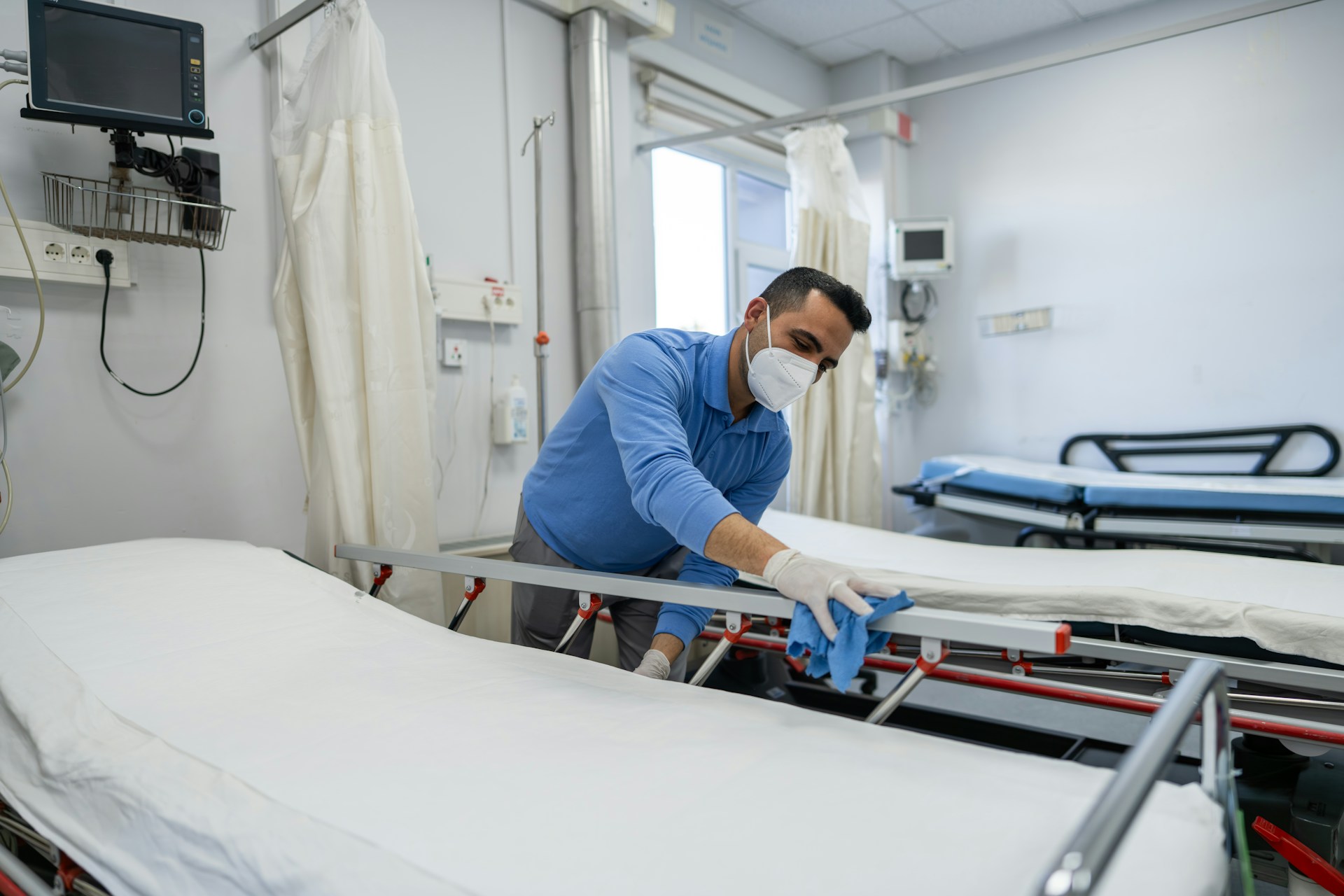
  • Privacy curtains and bed rails
  • Call buttons and light switches
  • Touchscreens, tablets, and keyboards
  • Waiting room armrests and side tables
  • Elevator buttons, handrails, and door handles
  • Shared medical equipment and carts

Seasonal patterns in May add more layers. More outpatient procedures, extra visitor traffic, and heavier use of waiting areas and cafeterias all raise contact levels. Healthcare facility cleaning must adjust to:

  • Different care levels, like acute care units, clinics, and long-term care
  • Varying traffic patterns by time of day and day of week
  • Areas with immunocompromised or high-risk patients

Targeted cleaning means not treating every room the same, but matching methods to risk.

Core Cleaning Protocols That Break the Chain of Infection

An effective healthcare facility cleaning program follows evidence-based sequences. The basic rule is simple: clean first, disinfect second. Soil and organic matter can block disinfectants, so surfaces need to be wiped and cleared before disinfectant is applied and left to sit for the proper dwell time.

Important protocol pieces include:

  • Standard steps for daily cleaning in patient care areas
  • Terminal cleaning procedures for discharge or room turnover
  • Special instructions for isolation rooms and procedural spaces
  • Clear dwell time guidance for each disinfectant used

Color-coded tools help prevent cross-use between restrooms, patient rooms, and food or staff areas. Single-use wipes, liners, and mop pads reduce the chance that germs travel from one room to another.

At Cleaning Services Group, Inc., we build cleaning schedules and checklists around 24/7 operations. That includes aligning with shift changes, quiet hours, and busy clinic blocks, so cleaning supports care delivery instead of disrupting it.

Elevating Infection Control with Trained Cleaning Teams

Even the best-written protocol fails if teams are not trained and supported. Healthcare cleaning staff need focused education in:

  • Infection prevention basics
  • Bloodborne pathogen safety
  • Handling and moving biohazardous waste
  • Product usage and dwell times

Pathogens and guidelines change over time, so training cannot be a one-time event. Ongoing education on new products and updated practices helps keep facilities aligned with current expectations.

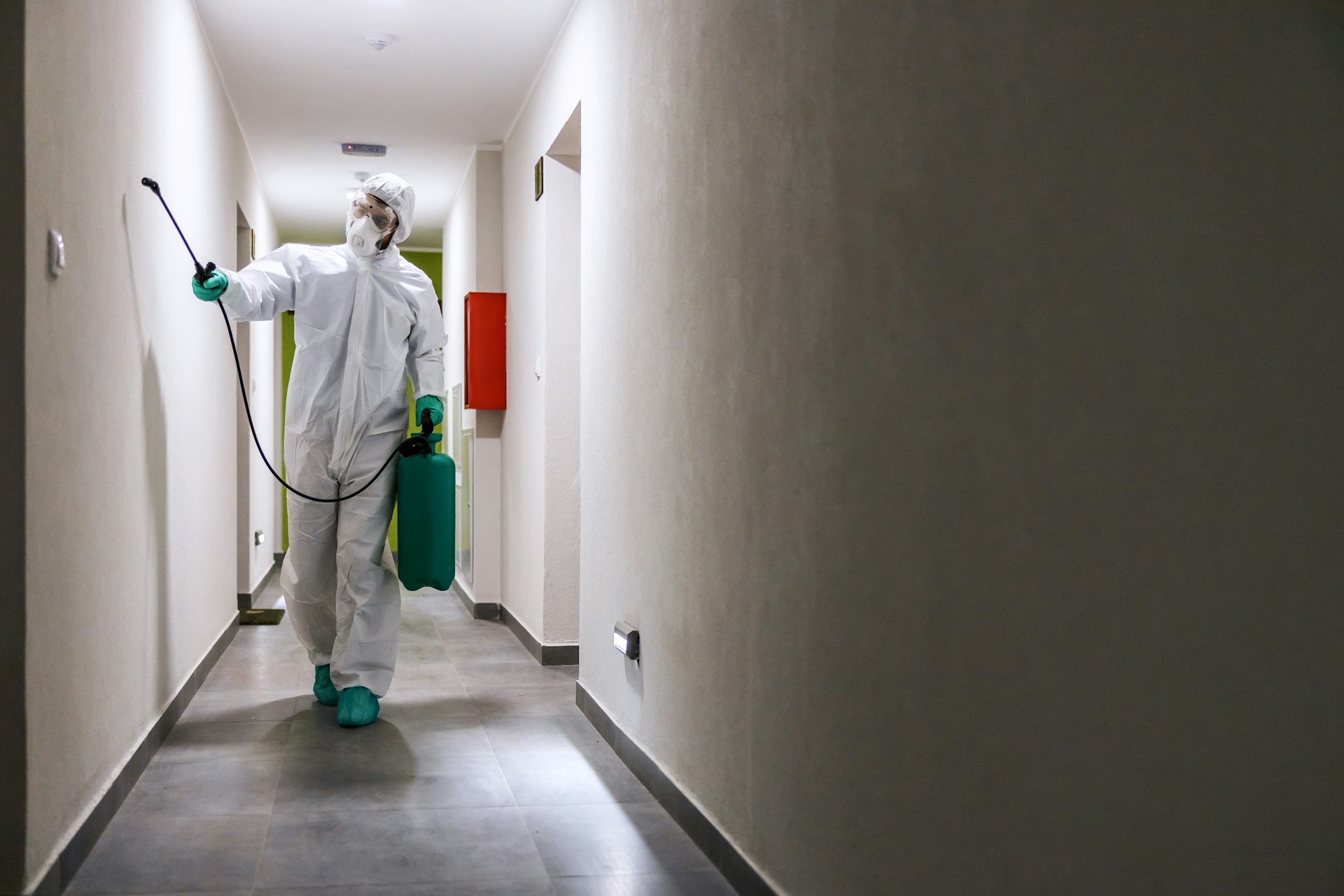
Personal protective equipment, or PPE, is another key layer. Proper donning and doffing steps protect workers and help prevent self-contamination. When PPE is worn correctly and removed in the right order, germs stay contained instead of spreading to other areas or people.

Because Cleaning Services Group, Inc. supports multi-site operations across regions, we place a strong focus on standardization, auditing, and accountability. That helps large healthcare systems keep the same expectations across hospitals, clinics, and off-site locations.

Advanced Tools and Seasonal Strategies for Safer Environments

Modern cleaning tools can lower pathogen loads more effectively than traditional methods alone. Many healthcare facilities benefit from:

  • Microfiber cloths and mops, which hold more soil and reduce cross-transfer
  • Electrostatic sprayers to apply disinfectant to complex or high-traffic areas
  • UV-C disinfection as an added step in specific rooms or zones
  • High-filtration or HEPA vacuuming to improve air and surface cleanliness

Data-driven cleaning adds another layer of confidence. Digital checklists, time-stamped task tracking, and formal quality reviews help document that work was done as planned. This matters during surveys, audits, and internal reviews.

Air quality and surface hygiene are linked. Dust and debris on vents or in ceiling areas can move into patient spaces. A structured vent cleaning and high-dusting program becomes even more important as warmer weather keeps more people indoors with air systems running harder.

As seasons shift toward summer, it helps to plan ahead:

  • Pre-summer deep cleaning for waiting areas, public restrooms, and heavy-traffic corridors
  • Extra focus on restocking hand sanitizer and soap stations
  • Increased frequency of touch-point disinfection during the busiest hours
  • Adjusted plans for expanded clinic schedules or higher outpatient volumes

An outsourced partner like Cleaning Services Group, Inc. can flex staffing and redirect focus areas as conditions change, helping healthcare leaders respond quickly when patient or visitor volumes rise.

Partner with CSG to Strengthen Infection Defense

For facility leaders, a practical next step is a careful review of current cleaning protocols and high-risk zones. Walk the space with an infection prevention mindset. Look closely at touch points that may not be on standard checklists. Compare practices between locations to find gaps in consistency.

Cleaning Services Group, Inc. works with healthcare and other critical industries that run multi-site operations. We help build customized healthcare facility cleaning strategies that align with infection prevention goals and regulatory needs, while also fitting local workflows. Standardized programs, advanced tools, and trained teams can work together to reduce cross-contamination and support a safer space for patients, visitors, and staff as volumes rise heading into summer and beyond.

Get Started With Your Project Today

If you are ready to strengthen infection control and protect patients, we are here to help design a cleaning program tailored to your facility. Explore how our specialized healthcare facility cleaning services support safer environments for hospitals, clinics, and long-term care settings. At Cleaning Services Group, Inc., we combine trained teams, proven processes, and hospital-grade products to meet rigorous standards. Reach out so we can discuss your needs and build a plan that fits your operations and budget.

Why Distribution Warehouse Cleaning Increases Before Peak Season

Why Distribution Warehouse Cleaning Increases Before Peak Season

As the holiday season gets close, distribution warehouses start feeling the pressure. More shipments are coming in, more workers are moving around,...

Read More
Inside Healthcare Cleaning Crews That Support Patient Trust

Inside Healthcare Cleaning Crews That Support Patient Trust

How Invisible Cleaning Crews Build Patient Trust Clean healthcare spaces do more than look nice. They quietly tell patients and families, you are...

Read More
4 things to know about medical facility cleaning from the cdc

2 min read

4 things to know about medical facility cleaning from the cdc

Massachusetts is home to the best healthcare facilities in the world, and that means living up to the best quality of care and quality of medical...

Read More