


Hospital Maintenance Services That Avoid Spring Disruptions
Spring tends to bring the kind of changes hospitals feel right away. Warmer weather and shifting temperatures bring more people through the doors,...
5 min read
CSG
8/2/26, 4:59 PM
Clean equipment and shiny floors do not always mean a healthy gym. Members want proof that your space is truly safe, especially when traffic picks up and coughs and sniffles start to show up again. At the same time, insurers and auditors are asking harder questions about what “clean” really means in a fitness setting.
Visual checks and nightly wipe-downs are no longer enough. Gyms and fitness centers need evidence that their commercial sanitization services are actually controlling risk. That means using tools like ATP testing, verified dwell times, smart chemical choices, and strong documentation. In this article, we will walk through how to check if your current program is working, where hidden risks live, and how to build a defensible, data-backed cleaning strategy for your facilities.
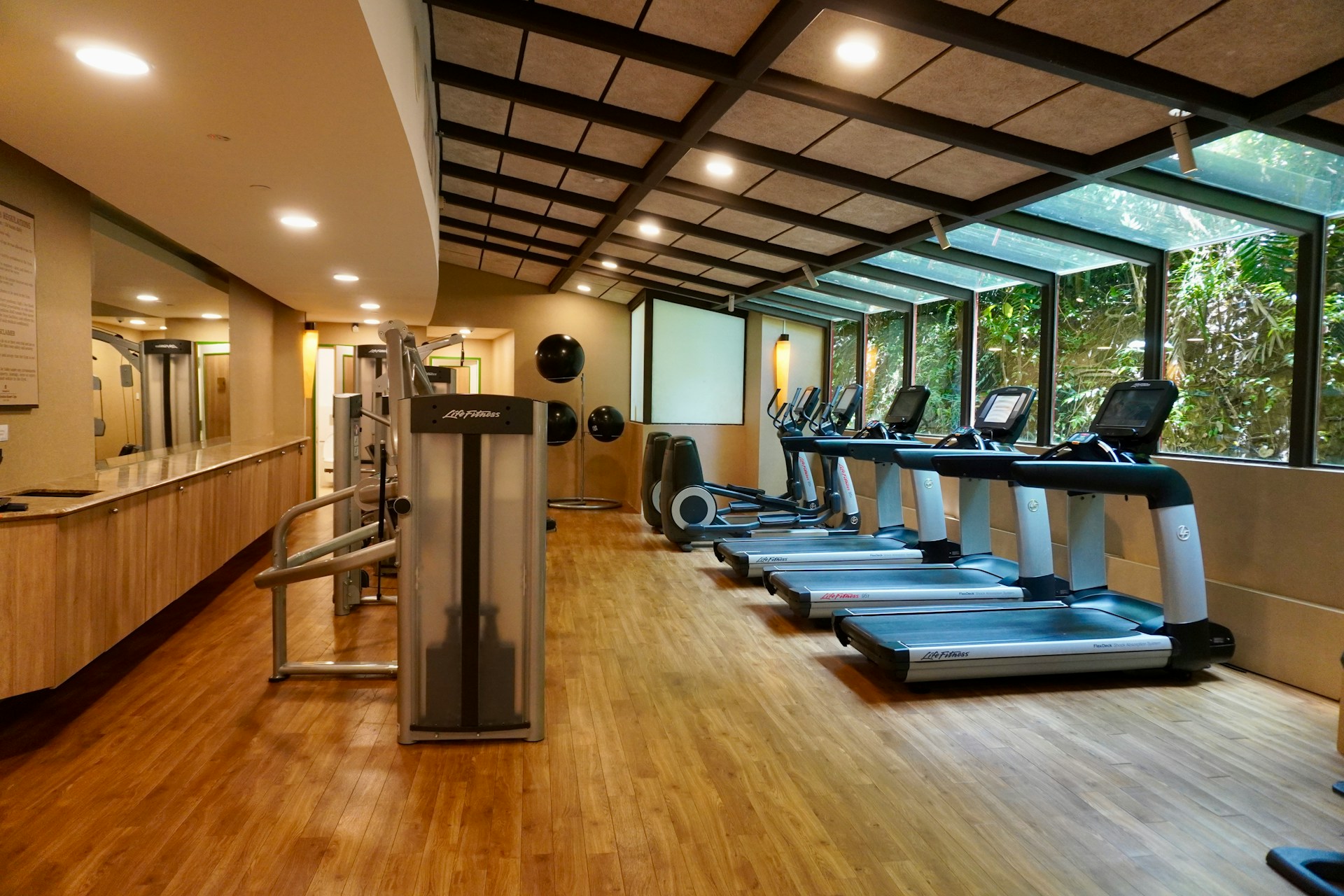
Fitness centers are full of high-touch, high-moisture, and high-traffic areas. Germs love those conditions. Some zones carry more risk than others, and they need more than a quick spray and wipe.
Common higher-risk areas include:
In these spaces, contamination spreads through sweat, skin cells, and breath. Shared mats and resistance bands move from person to person. Touch screens and buttons are hit hundreds of times an hour. During late summer and early fall, when many people return to the gym on a regular schedule, those contact points turn over faster and stay wet longer.
Traditional routines often sound like this: “Members wipe equipment after use, and we disinfect every night.” Without measurable standards, those claims are hard to prove. Are the right products being used on the right surfaces? Are staff trained on dwell times? Is someone checking that the work is actually controlling risk?
When these questions do not have clear answers, the business faces:
This is where commercial sanitization services need to move from guesswork to evidence.
ATP testing gives gyms a quick way to see if cleaning is truly working. ATP, or adenosine triphosphate, is a substance found in organic material like sweat, skin cells, and food residue. The more ATP on a surface, the more organic soil is present.
Here is how ATP testing usually works in a fitness center:
This method does not tell you the exact germs present, but it does show if cleaning is removing the organic soil that germs feed on. It is a fast check on real-world results during peak gym usage, not just during a slow time of day.
From a professional provider, you should expect:
When ATP testing is built into your commercial sanitization services, you no longer rely only on sight or smell. You have numbers.
Even the best disinfectant fails if it is not used correctly. One of the most common issues in gyms is dwell time, also called contact time. This is the amount of time a disinfectant must stay wet on a surface to meet its germ kill claims on the label.
Typical mistakes in fitness centers include:
Best practices for chemical selection in fitness environments include:
As respiratory illnesses increase in cooler seasons, it is smart to confirm that products list the right pathogens, such as common respiratory viruses, and that the dwell times for those organisms fit your actual cleaning routines. Staff need clear instructions on how long surfaces must stay wet and what process to follow in busy windows so they do not cut corners.
At Cleaning Services Group, Inc., we design programs that match dwell times and chemistry to specific surfaces, equipment types, and overall risk profiles, so facility leaders are not left guessing.
More insurers, corporate safety teams, and third-party auditors now expect written proof of your sanitization program. They want to see that your plan is real, consistent, and followed.
Strong documentation for commercial sanitization services in gyms usually includes:
To support claims defense and contract compliance, documentation should also track:
A professional provider can make this easier with digital checklists, time and location stamped tasks, and photo verification. Centralized reports can then be shared during inspections, renewals, or internal reviews without a scramble.
If you rely on outside commercial sanitization services, it helps to review their performance before the next illness spike. A focused checkup can reveal gaps while there is still time to fix them.
Start with targeted questions such as:
Then run a late-summer readiness review:
Helpful performance indicators might include:
Cleaning Services Group, Inc. supports multi-site fitness operations, including those inside retail properties, corporate campuses, and mixed-use spaces, by auditing current programs, closing gaps, and building scalable, evidence-based solutions.
Strong sanitization can be more than a behind-the-scenes task. With the right approach, it becomes a clear advantage you can share with members, corporate leaders, and insurers. When you have measurable proof that your facility is clean and well managed, you build trust and protect your brand.
The core pillars are simple but powerful: ATP testing to verify cleaning results, correct dwell times, thoughtful chemical selection for each surface and season, and documentation that tells a clear story. When these elements work together, your program is ready for questions, reviews, and unexpected events.
By moving away from “we clean every night” and toward data-backed, documented commercial sanitization services, fitness centers can keep people safer, reduce risk, and show leadership that their gyms are truly prepared.
If you are ready to create a healthier environment for your building, our team at Cleaning Services Group, Inc. is here to help you plan the right approach. Explore our commercial sanitization services to see how we can tailor solutions to your facility. We will work with your schedule, your budget, and your specific risk areas so cleaning supports your operations, not the other way around. Reach out today so we can discuss your needs and outline clear next steps.
Spring tends to bring the kind of changes hospitals feel right away. Warmer weather and shifting temperatures bring more people through the doors,...
Protecting Brand Reputation While Your Buildings Sleep Overnight hours are quiet, but they are some of the most important hours for your brand. When...
Keeping a healthcare facility clean during shift changes is one of the hardest parts of daily operations. Staff are moving, patients are arriving and...